

Nature Morte
Mona Rai
New Map of the World Mona Rai
The space of painting is often thought to be one of quiet contemplation of refuge, seclusion and withdrawal from the world. For Mona Rai it is exactly the opposite: it is a space for experimentation and risk-taking, where danger can be courted and limits exceeded. For Mona, painting is a space which allows things that are excluded from daily life happen with passion, rigour and even rage. The artist will admit that in her personal appearance and intimate surroundings she may favour the drab, dull or nondescript, but in her paintings she expresses her truest sense of herself, her strongest emotions and most perverse attractions.
Mona's eyes widen as she begins to talk of the influences that inspire her to paint: the crass vulgarity of all manner of kitsch, the tawdry excitement of festivals and carnivals, the garish hues and corny dramas of South Indian B-grade cinema, colours that are too loud for the eyes, materials that are so shiny they squeal. The visceral, the violent and even the macabre are attributes she strives for in her works, with which she hopes to provoke strong reactions and even heated debate. In fact, a feeling of repulsion is what ultimately attracts her. It is as if her paintings hope to recreate the thrill of watching a horrific accident, surprise and shock mingled with a voyeuristic urge to see that which probably should not be seen.
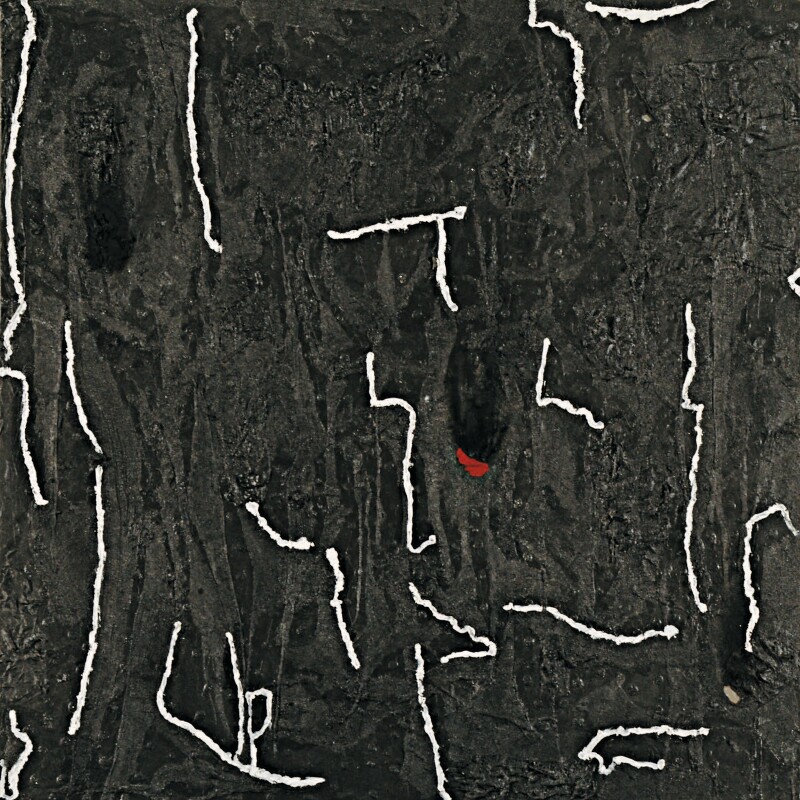
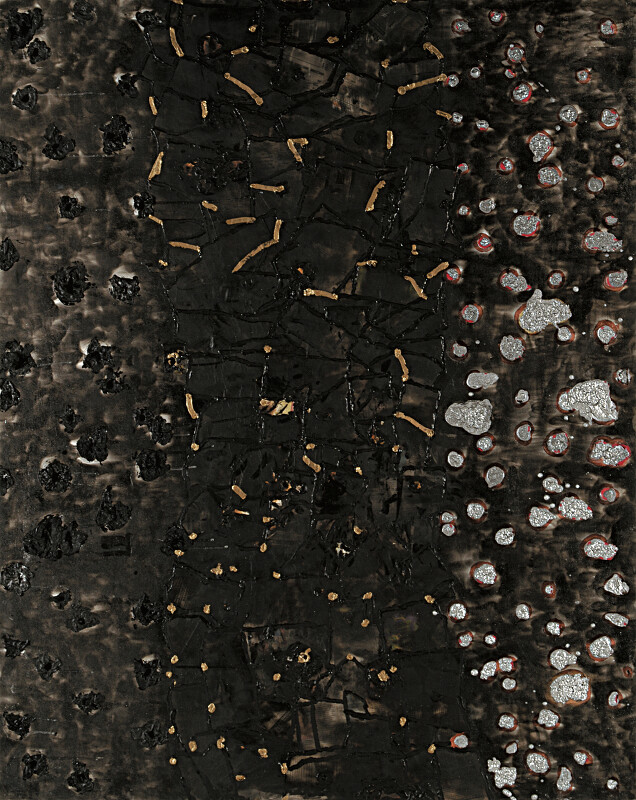
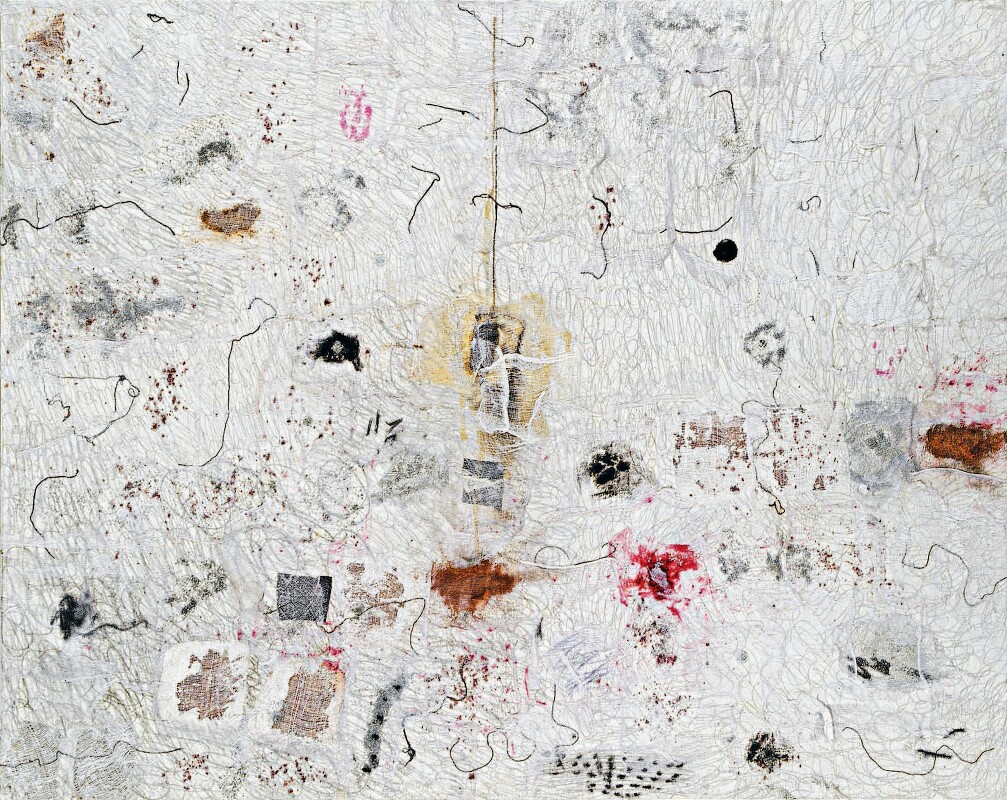
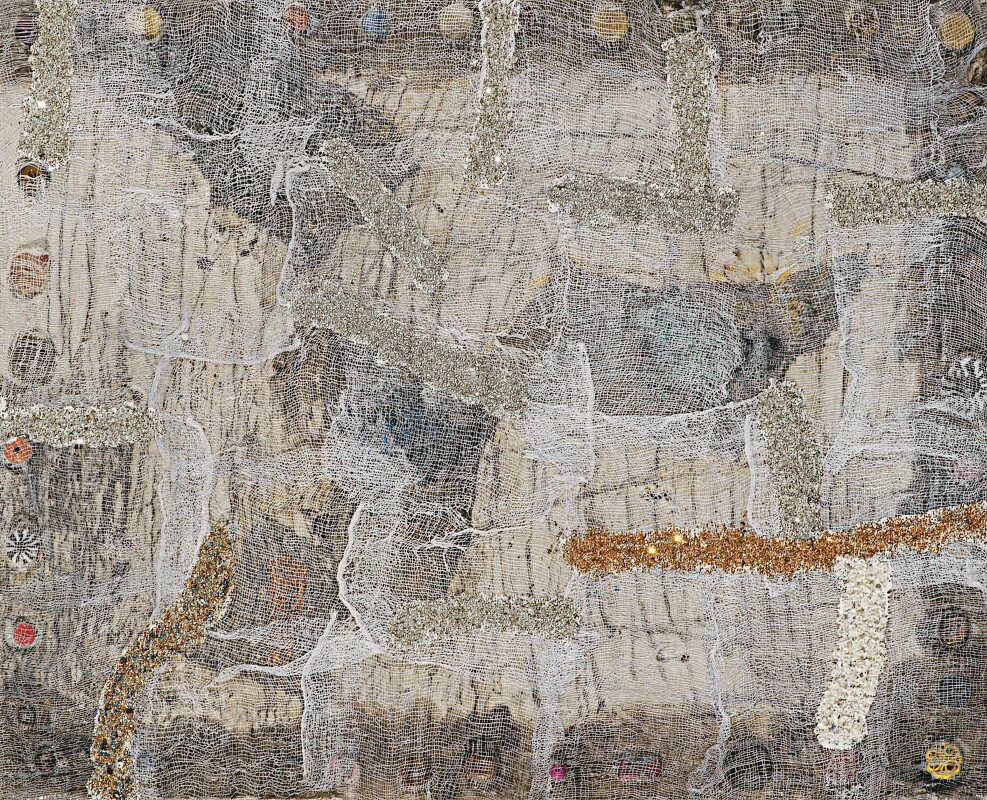
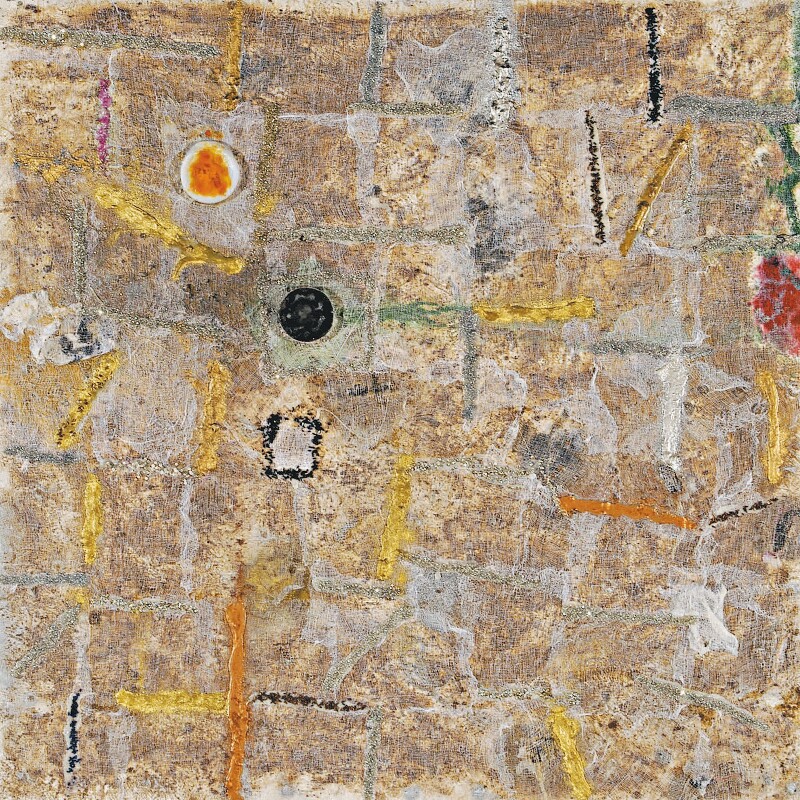
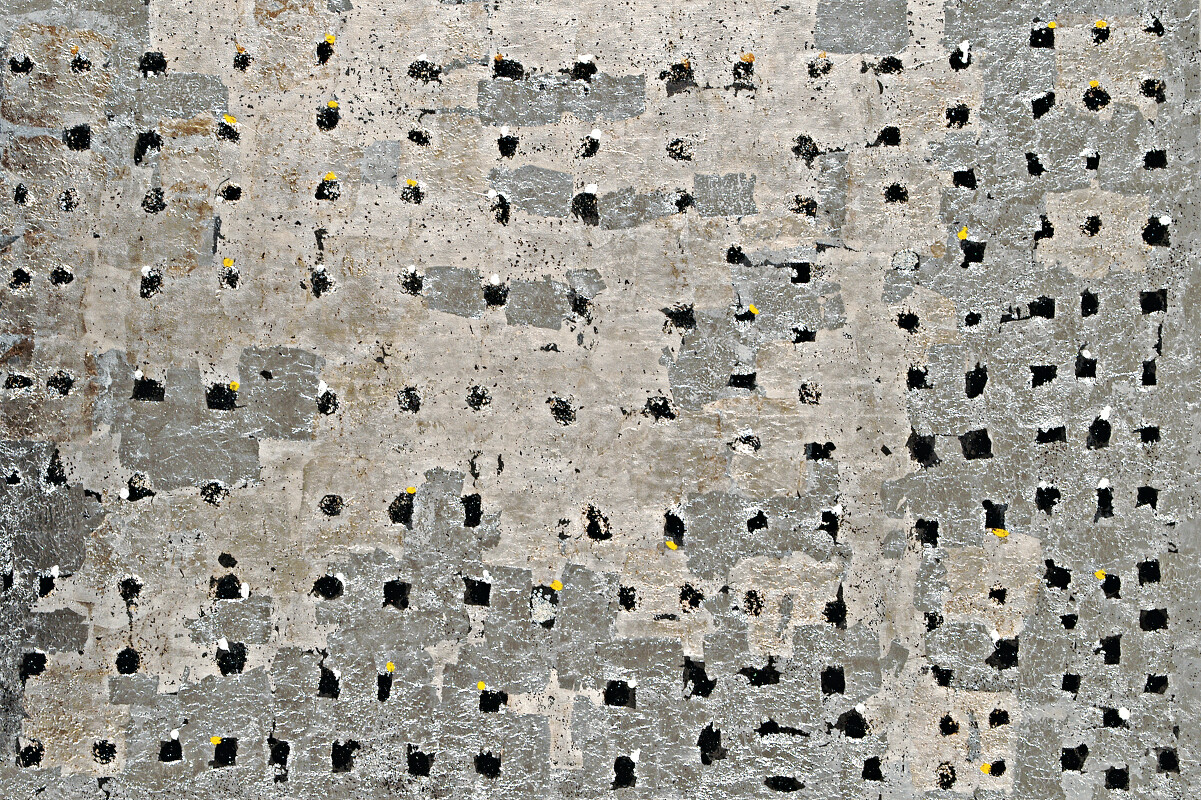
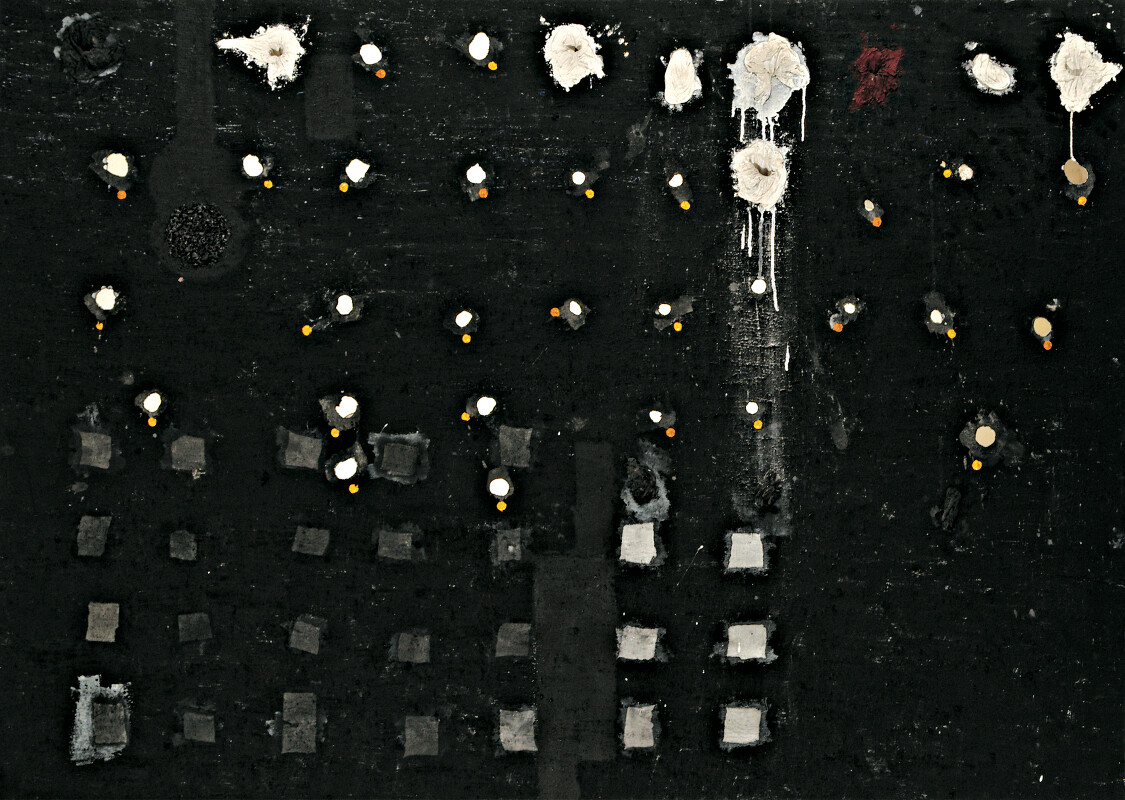
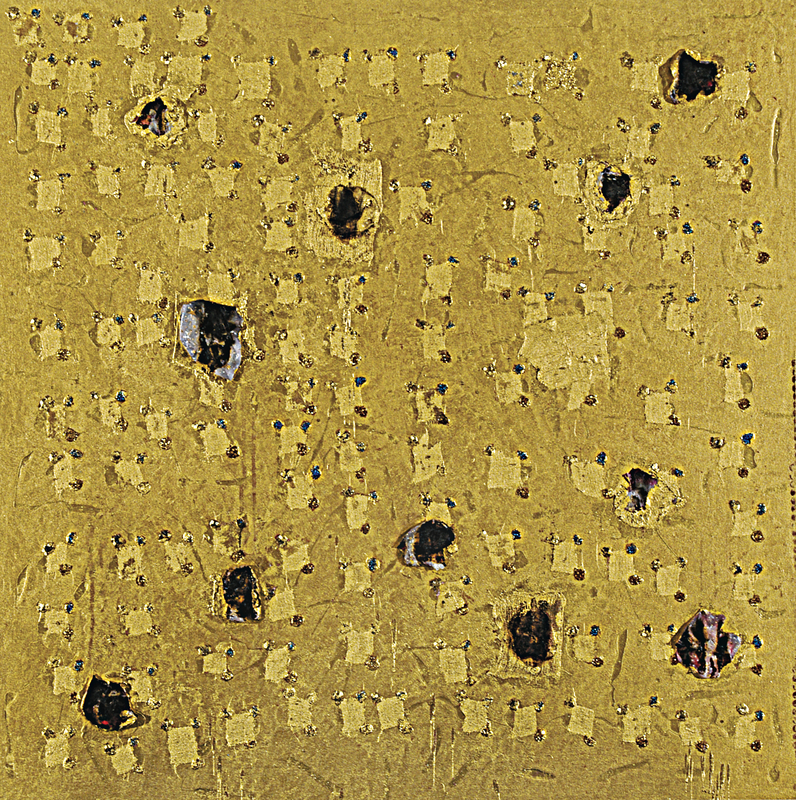
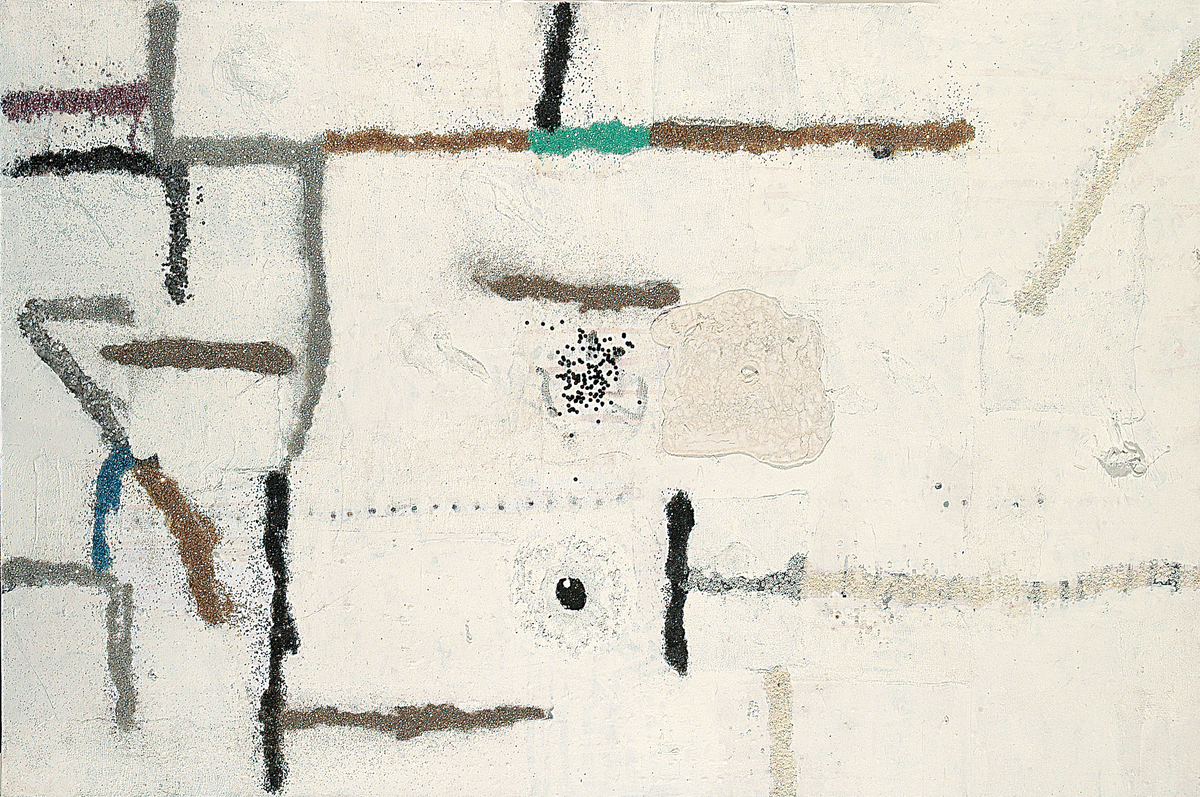
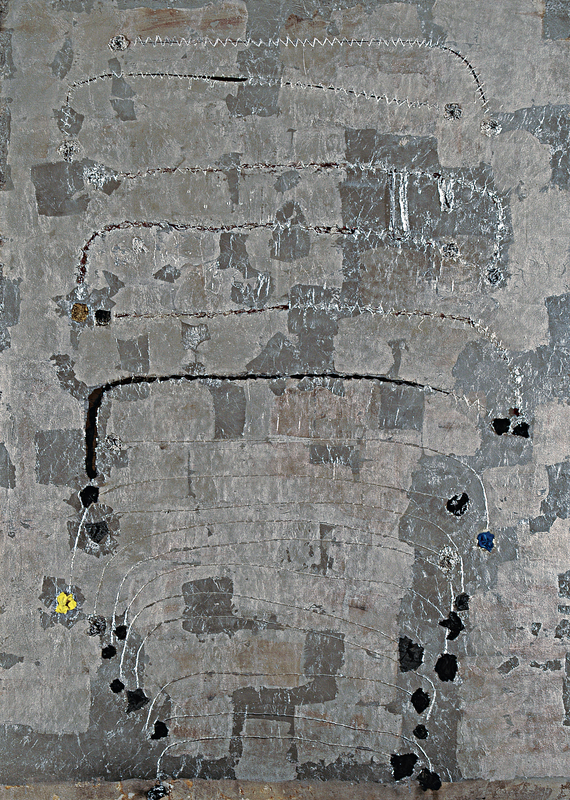
A penchant for materials and textures has led Mona to relinquish imagery entirely from her paintings. The surface of each work is a commanding image in and of itself. These surfaces can resemble battlegrounds scorched, trampled, slit, wounded, scratched, scarred, bleeding and weeping. At other times they are glorious and bright, gem stones and glitter twinkle as if stars in the night sky, metallic paints catch and reflect the light. The artist acknowledges the high-degree of negativity in some of her paintings yet notes that each work also accommodates rays of hope, lights that shine through the clouds. The surfaces of these works are structured yet it is as if the organic has conquered the mathematical or man-made. Grids, concentric circles and radii may be their starting points but these are soon overtaken by the intuitive, the improvisational or the mercurial. As when the vines and roots of the jungle slowly begin to dissolve the rational and ordered plan of a temple complex
Mona Rai's paintings are a prime example of the continued relevance of painting in a society besieged by electronic telecommunications, speed and a constant on-rush of disposable imagery. Her works are mute sentinels of the night guarding the spaces within the mind that cannot be captured by language, mimicking the languorous caress that seems to last an eternity
Peter Nagy, New Delhi, July 2004