New Delhi
Manu Parekh
Flower Sutra
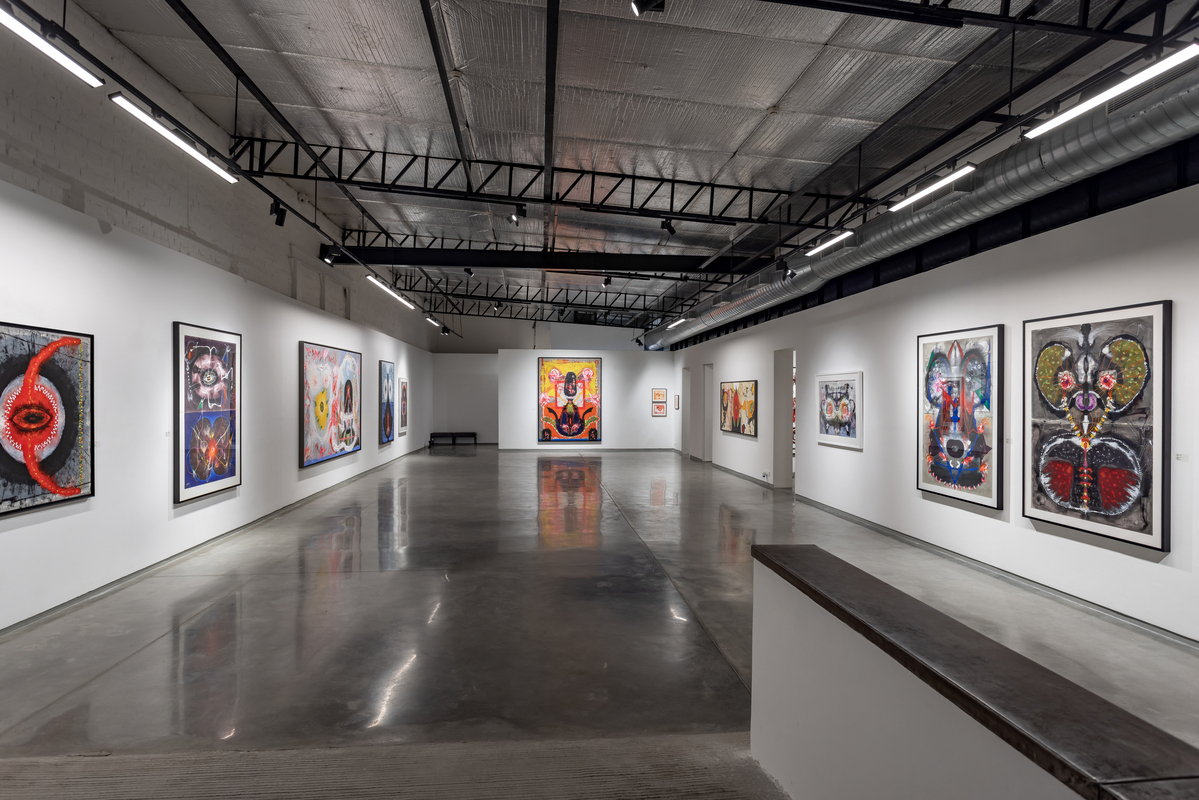
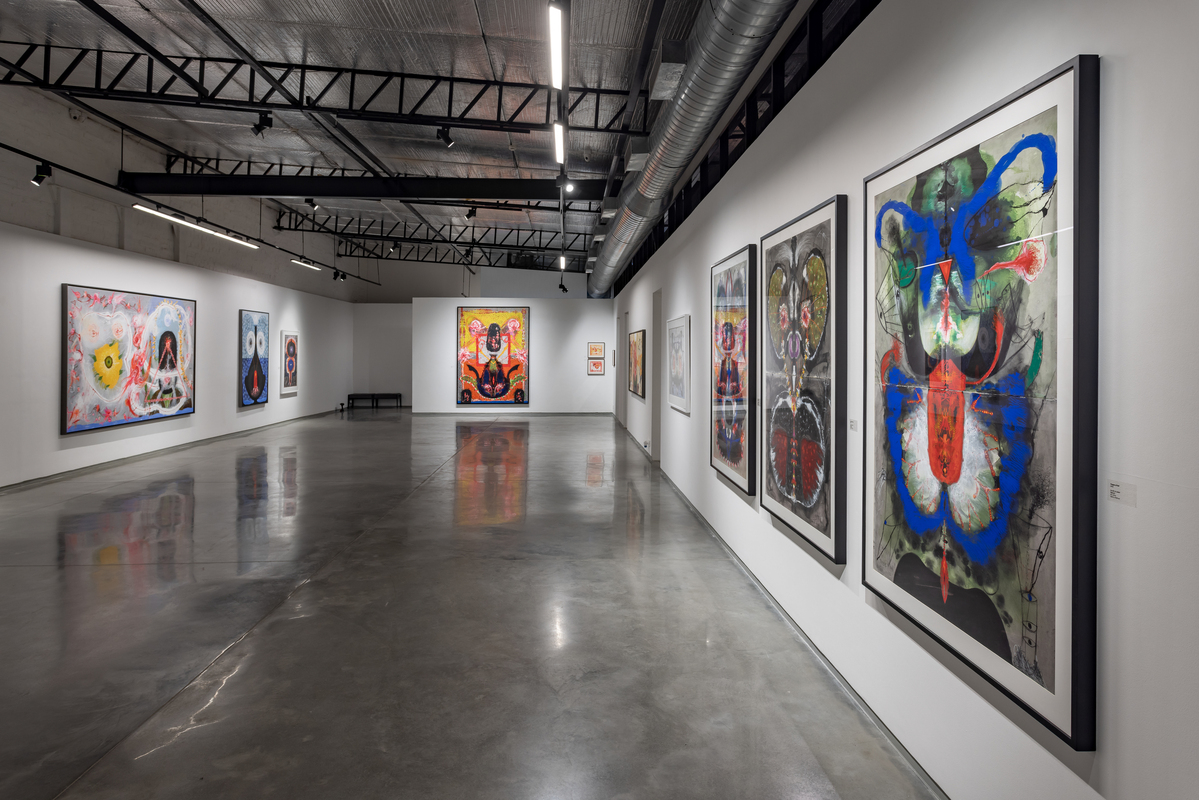
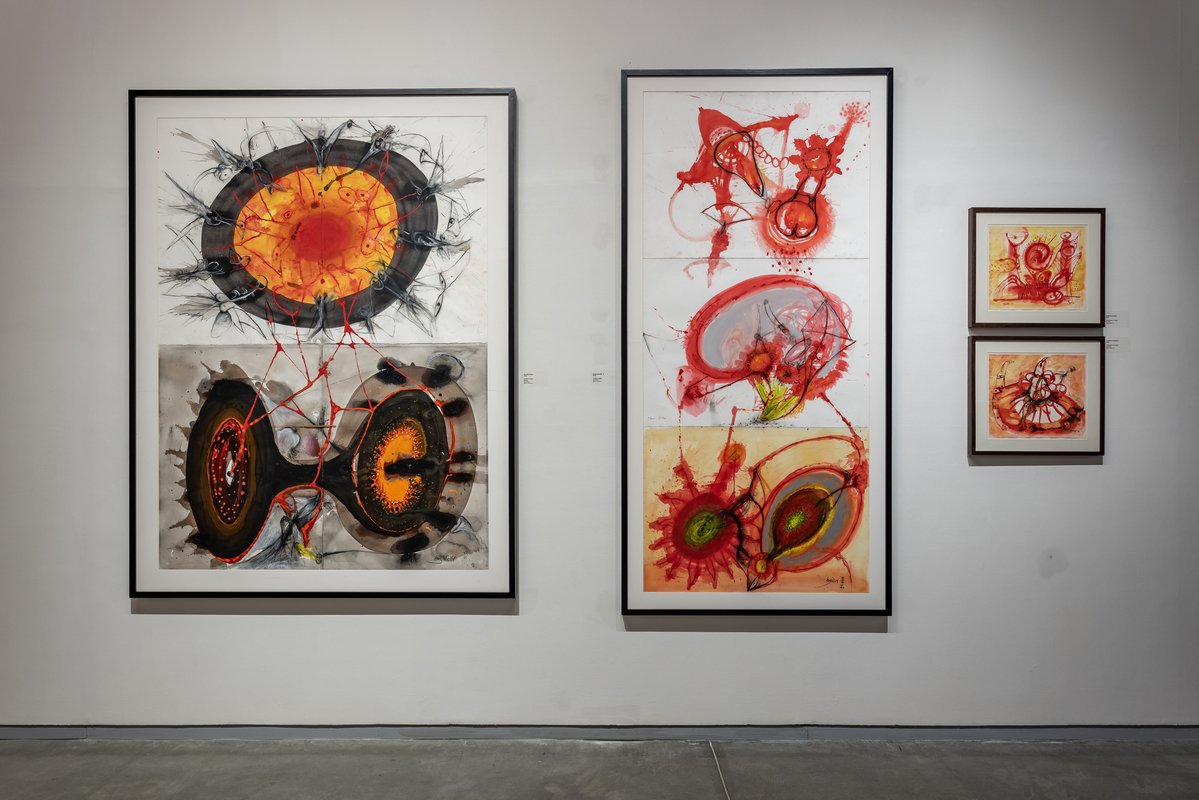
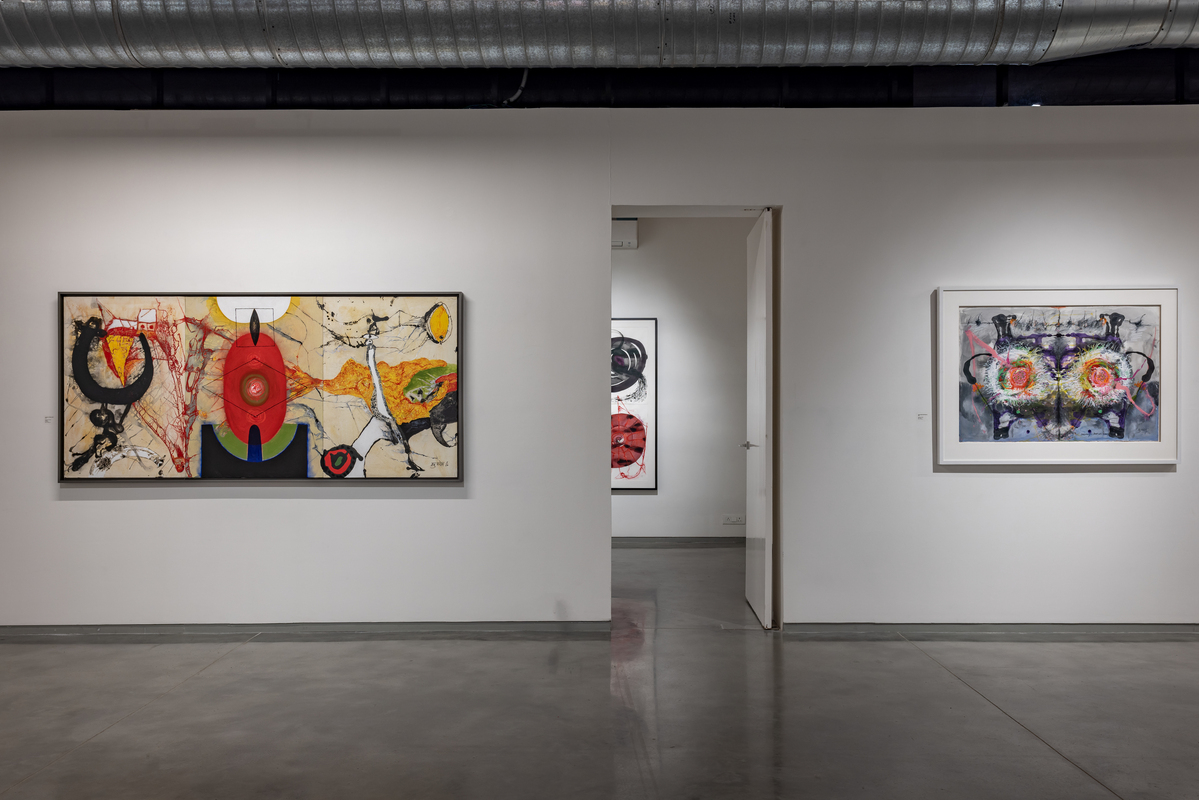
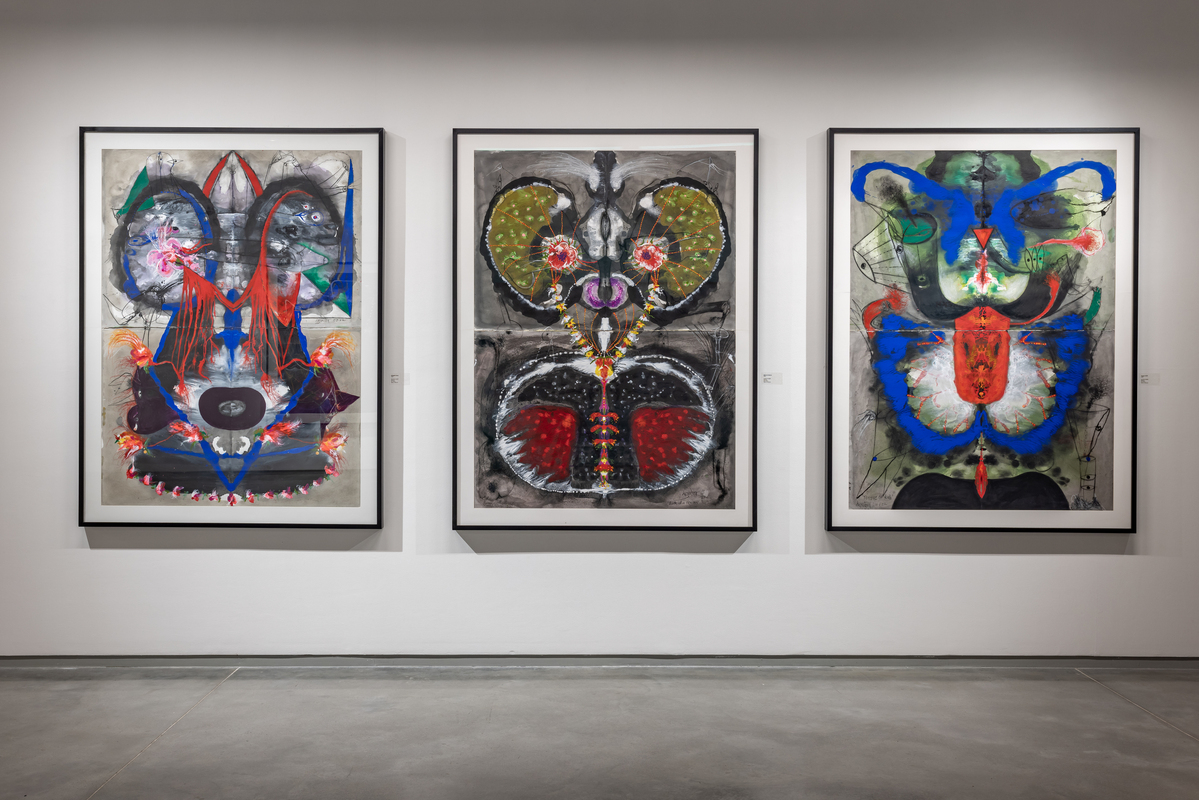
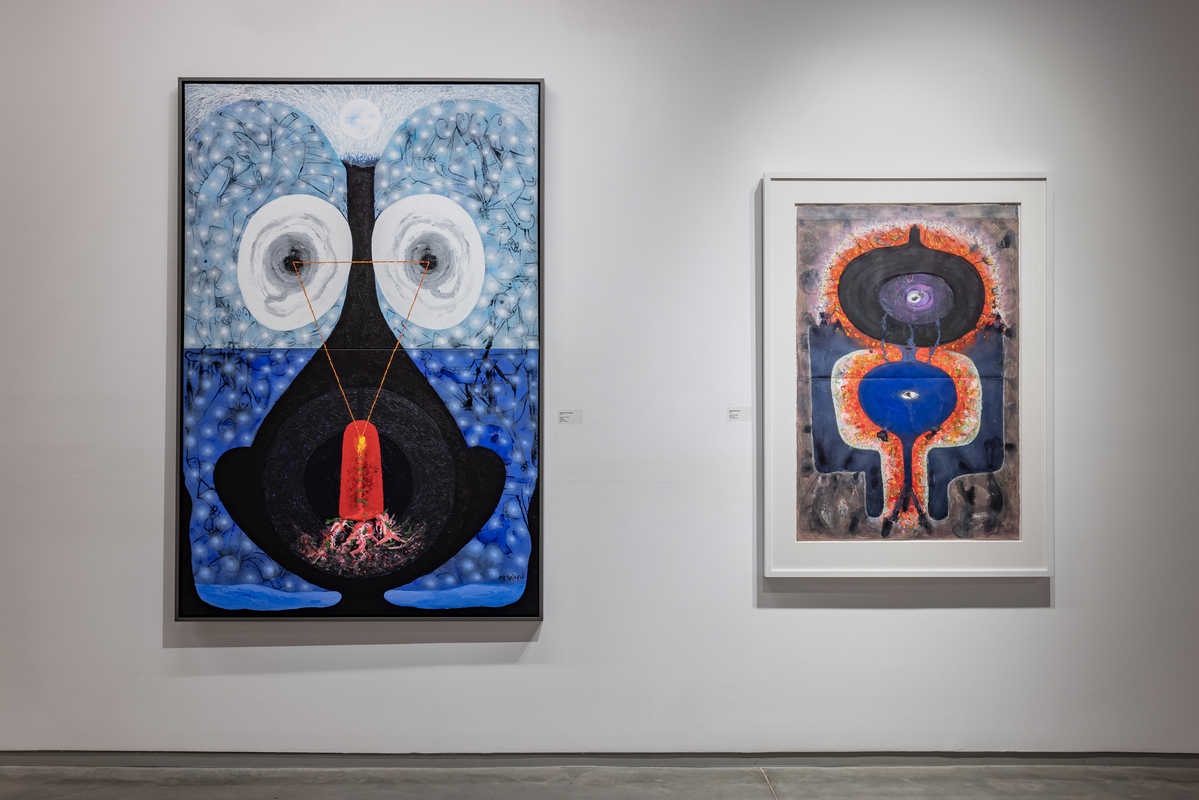
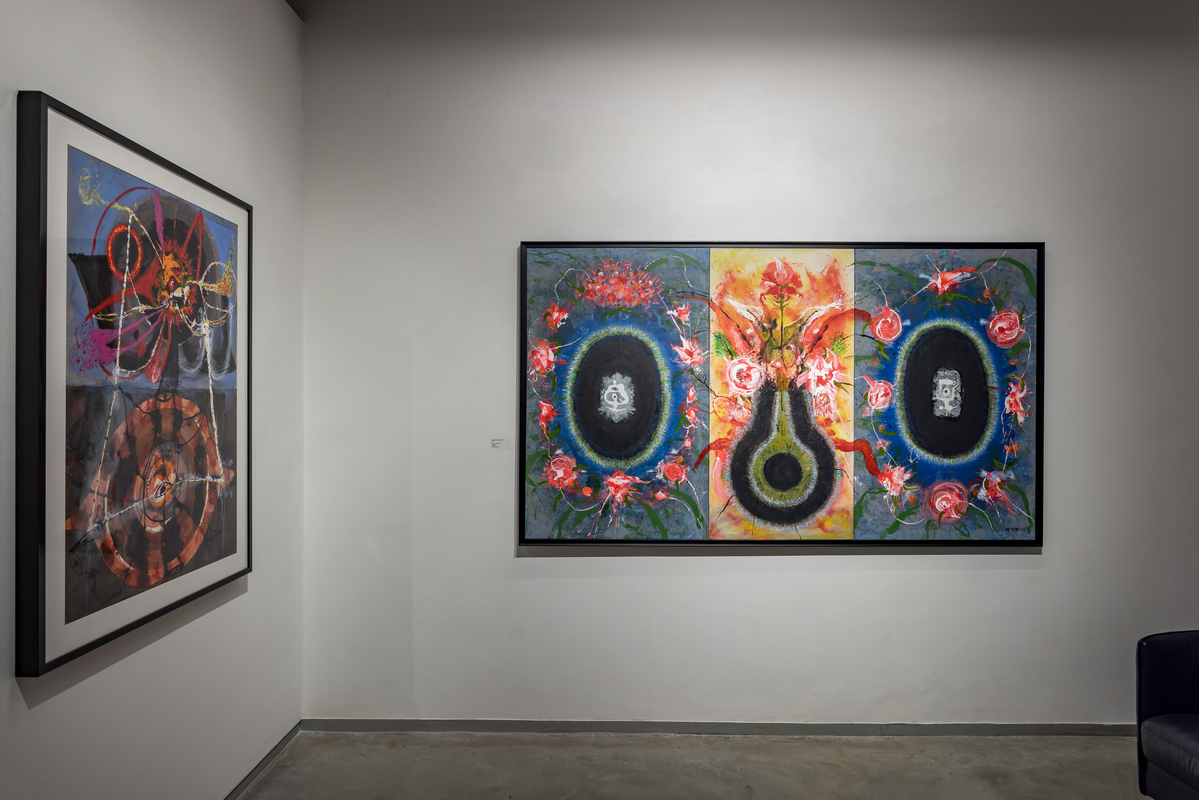
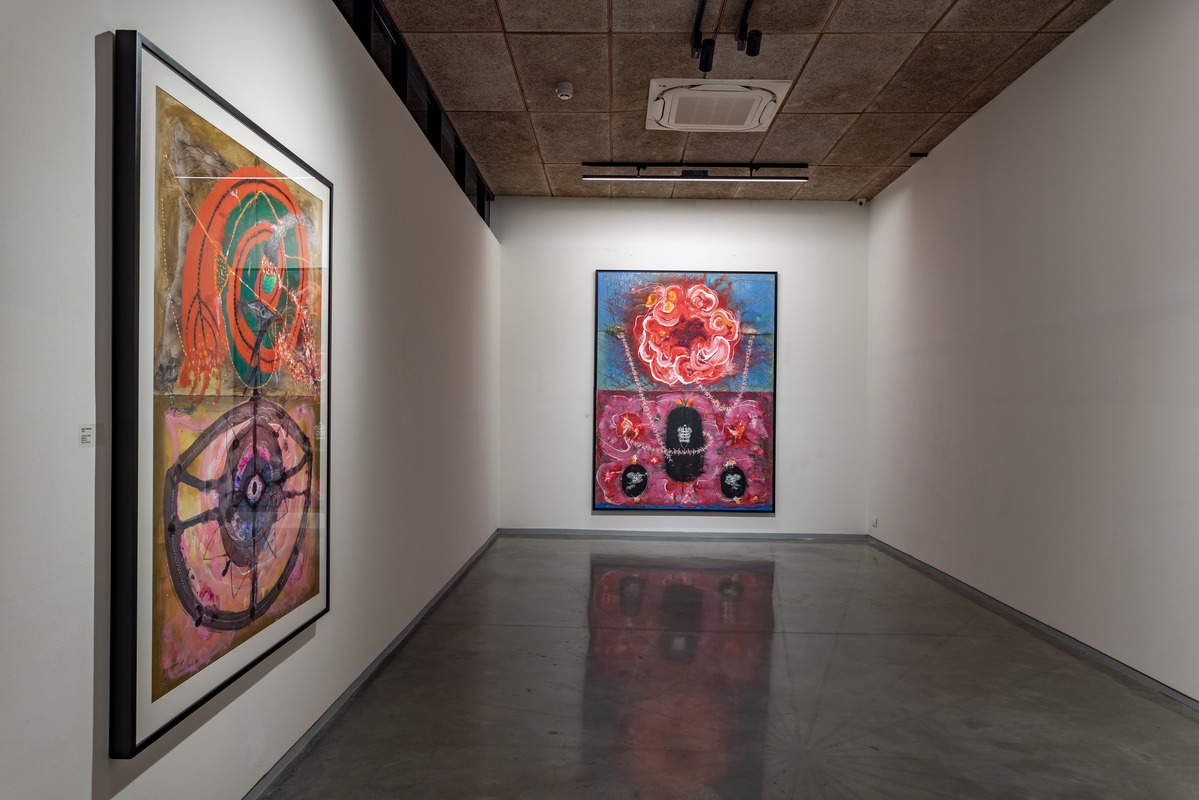
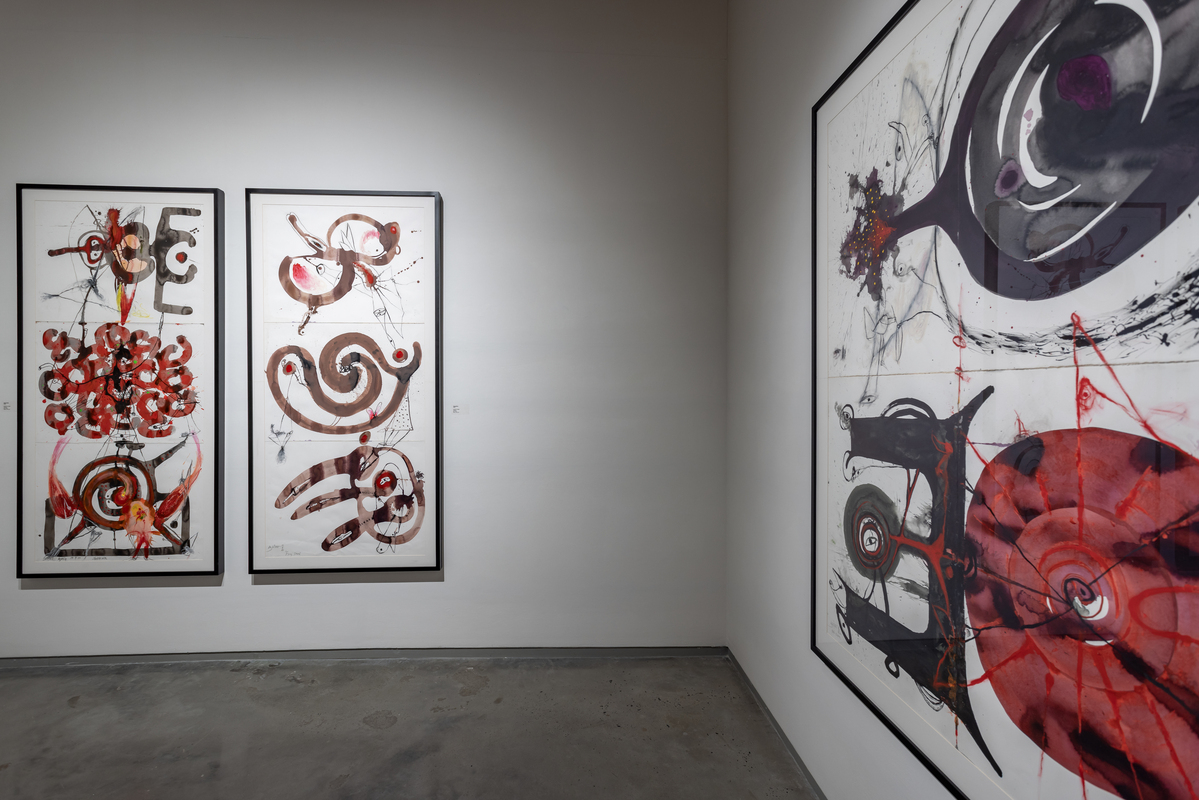
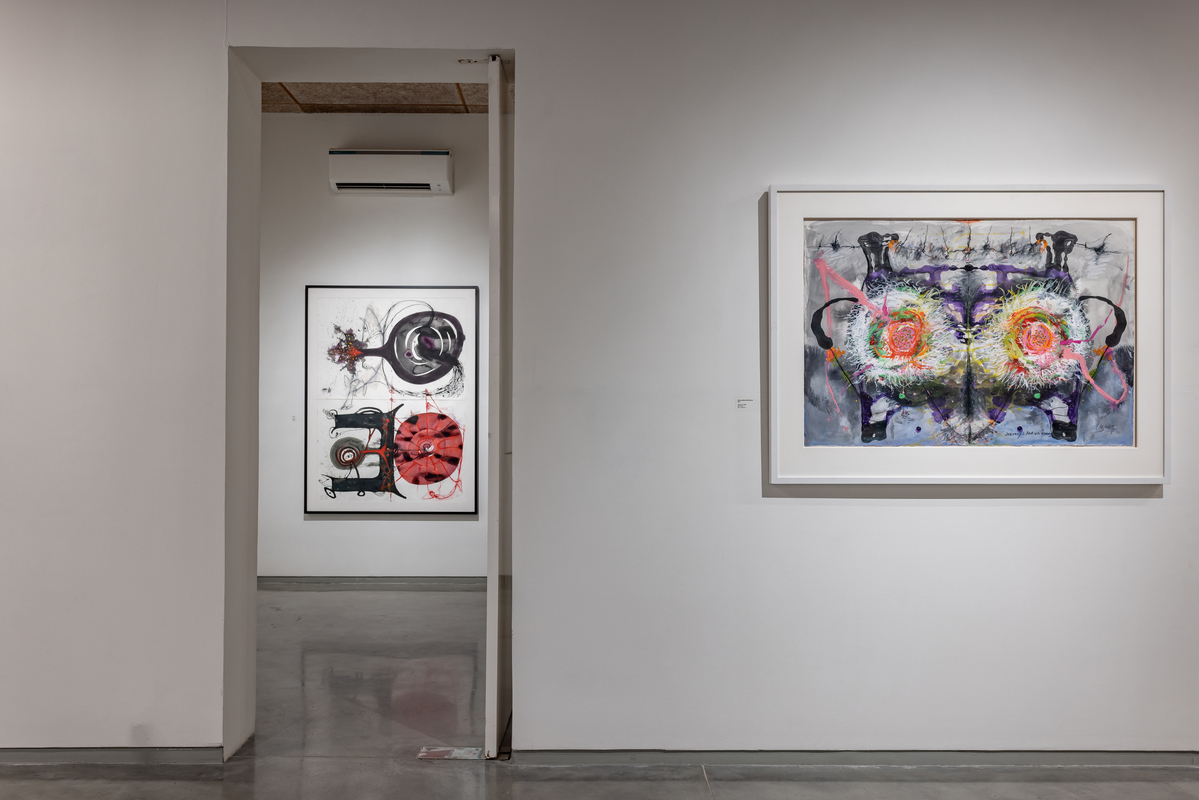
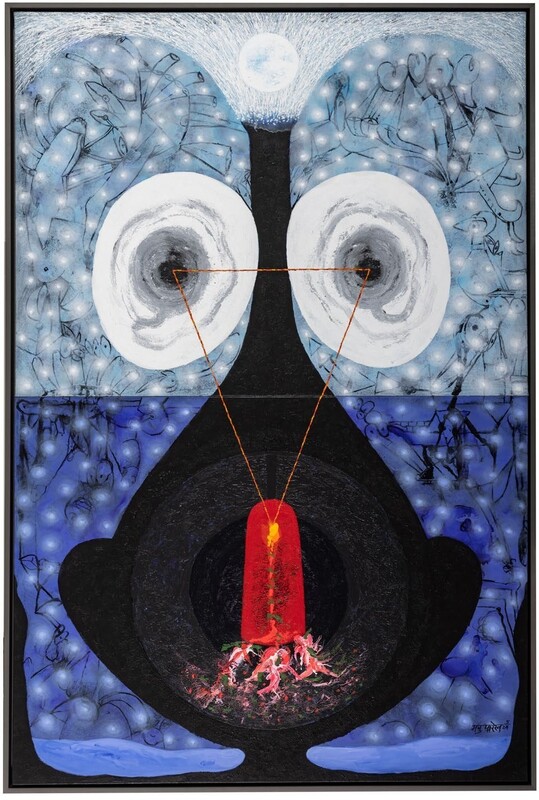
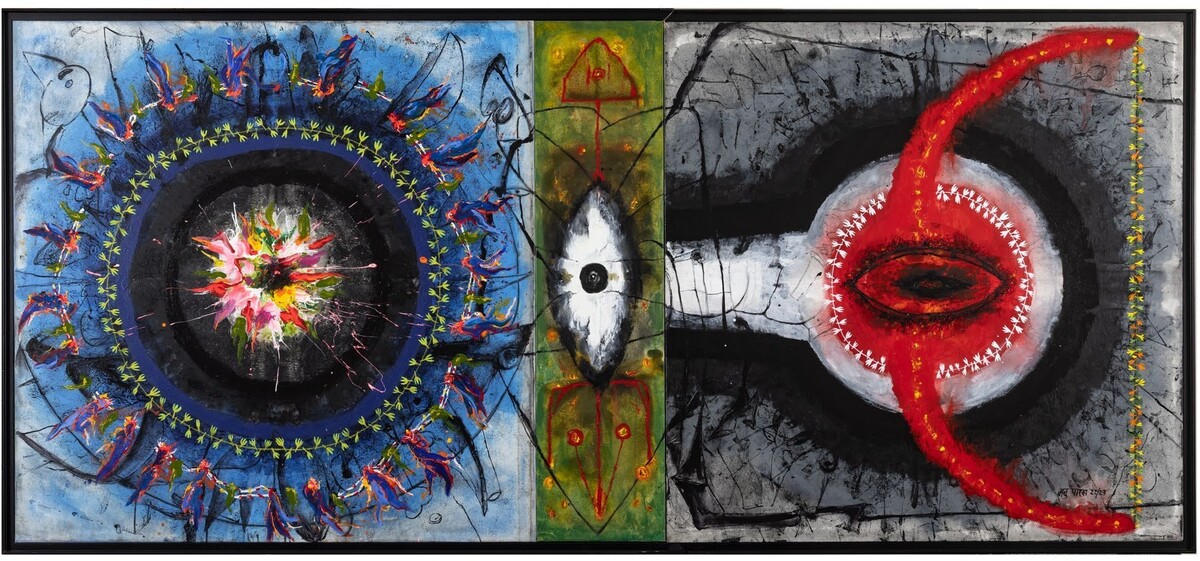
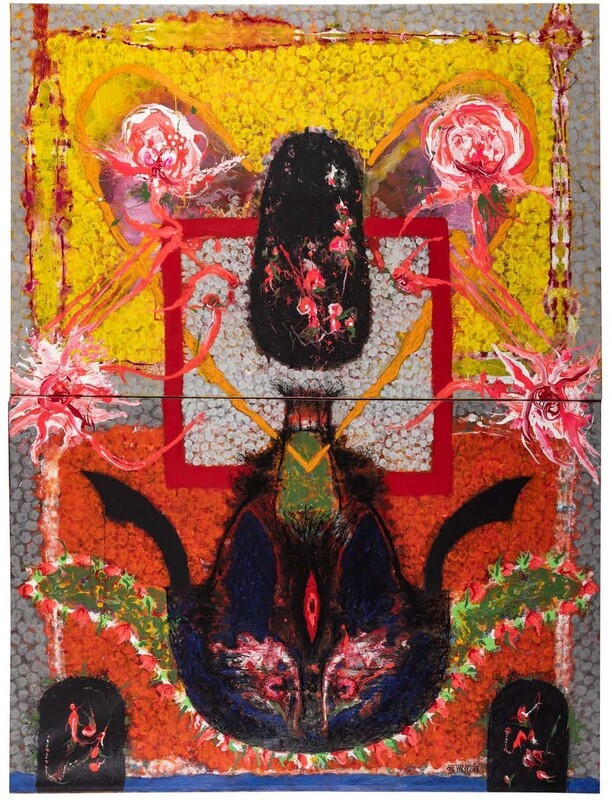
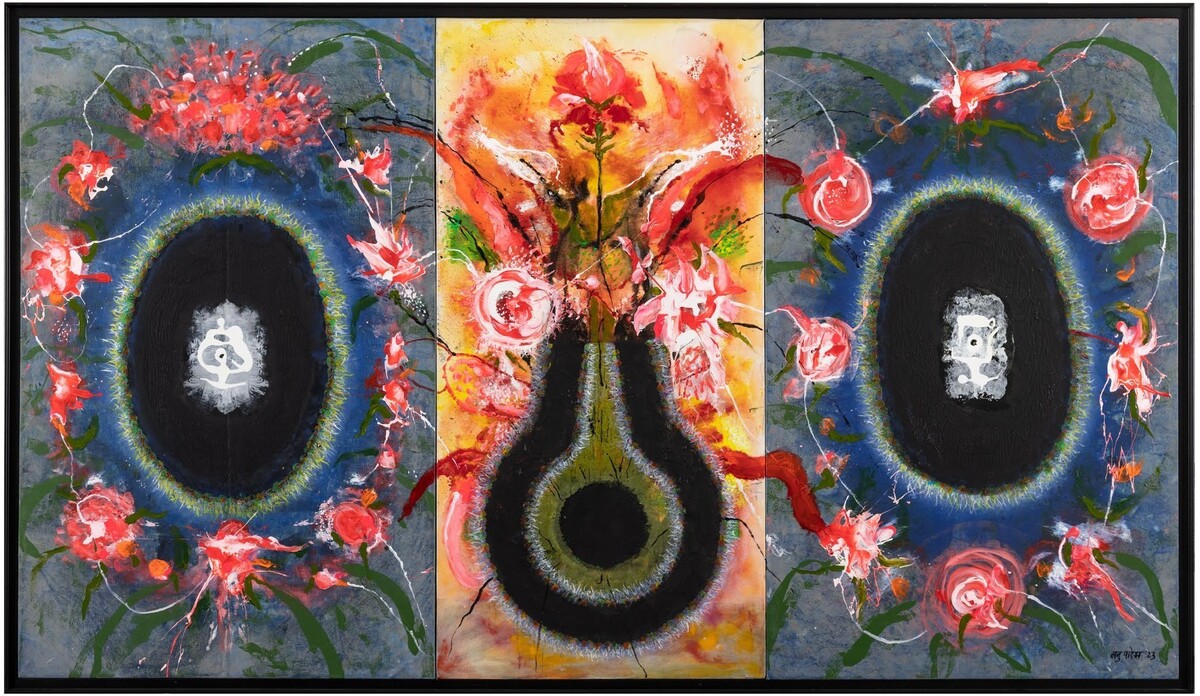
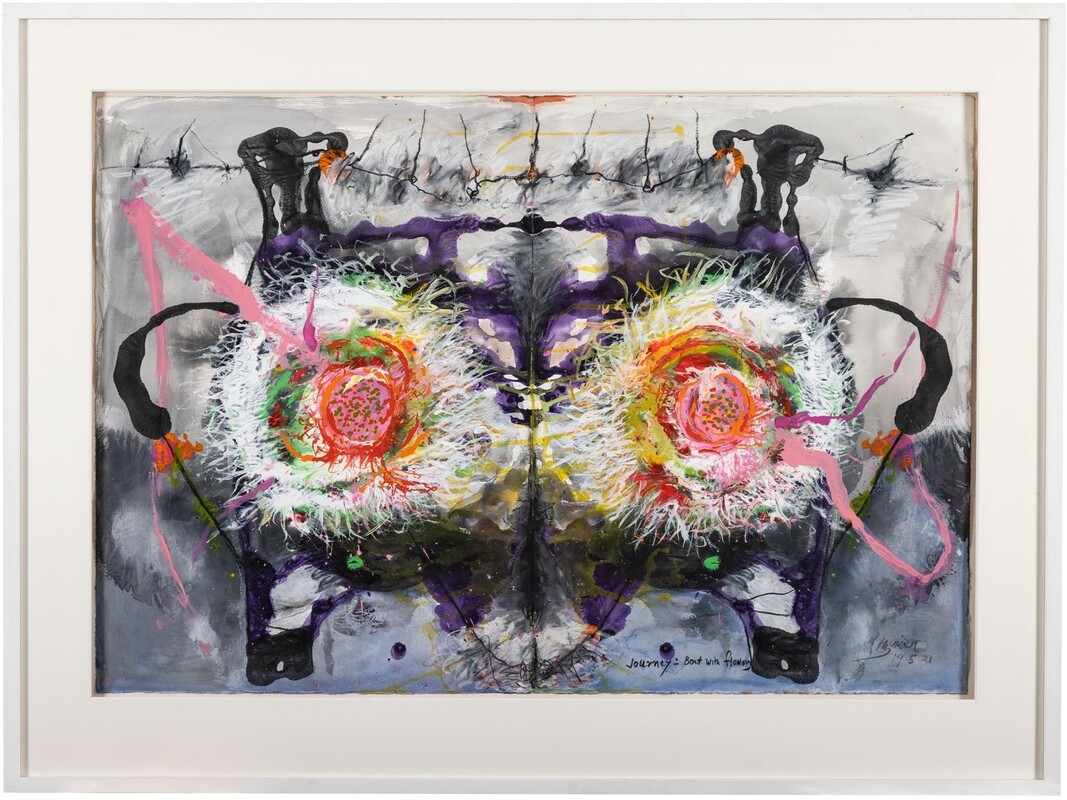
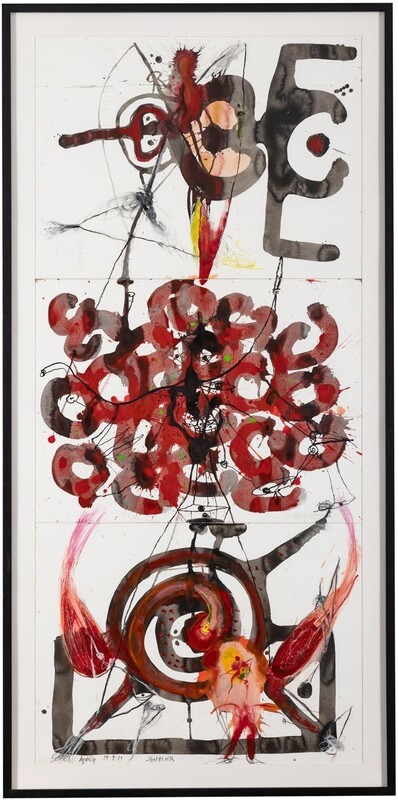
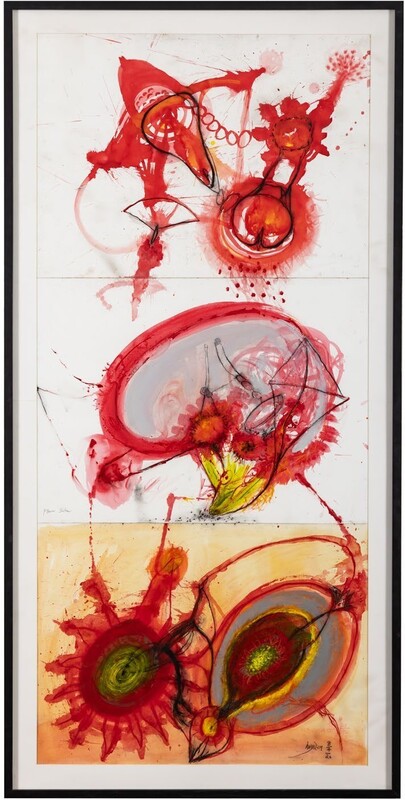
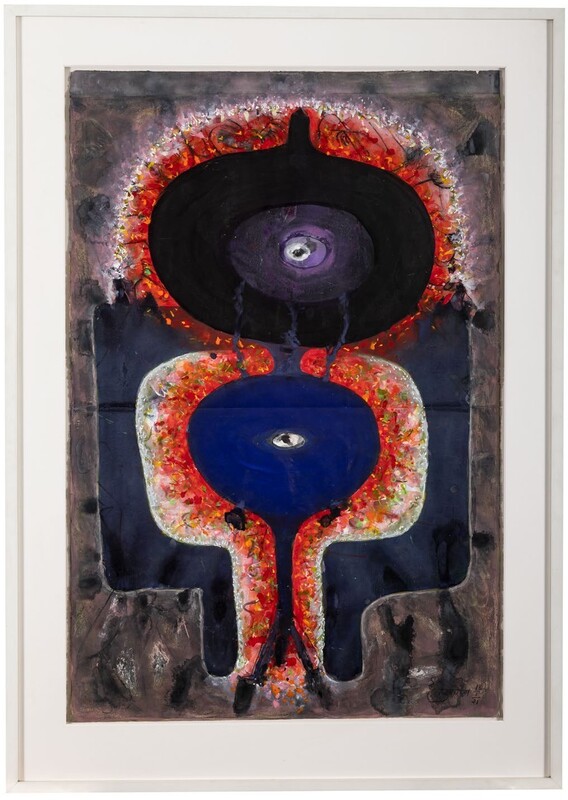
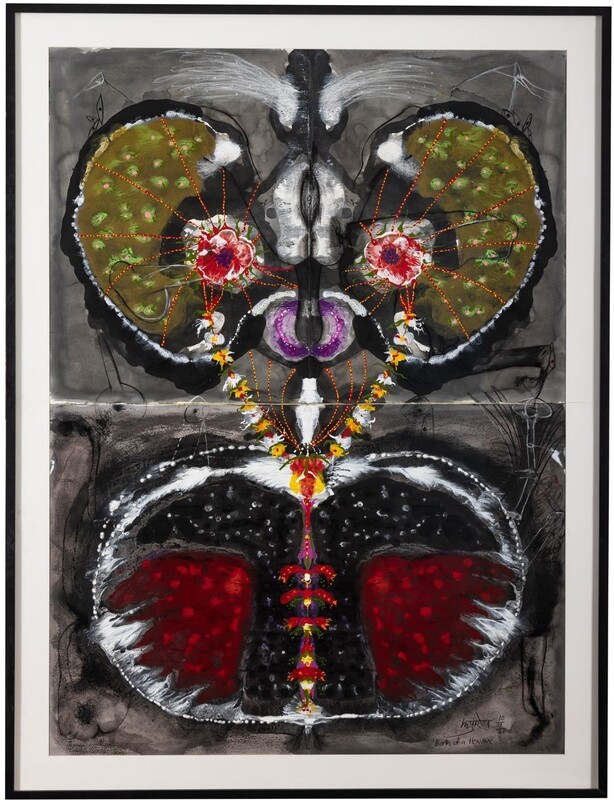
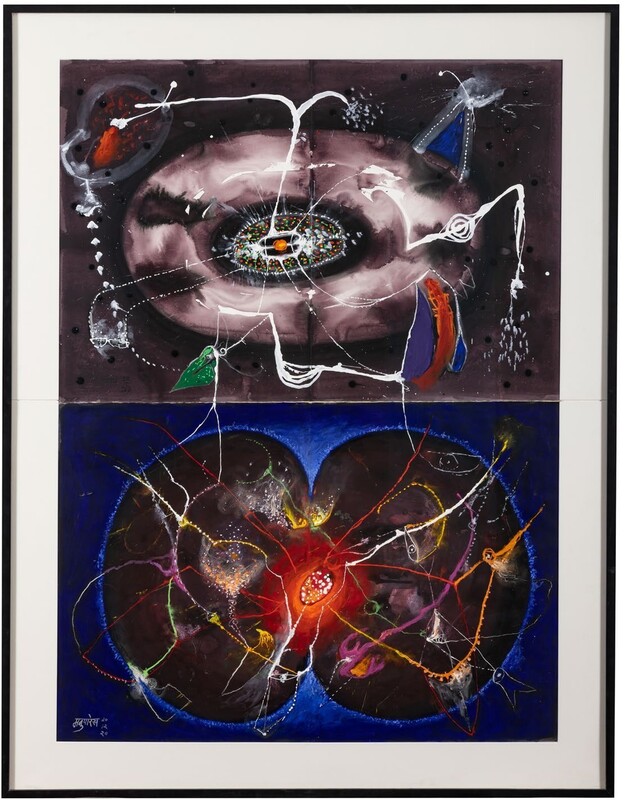
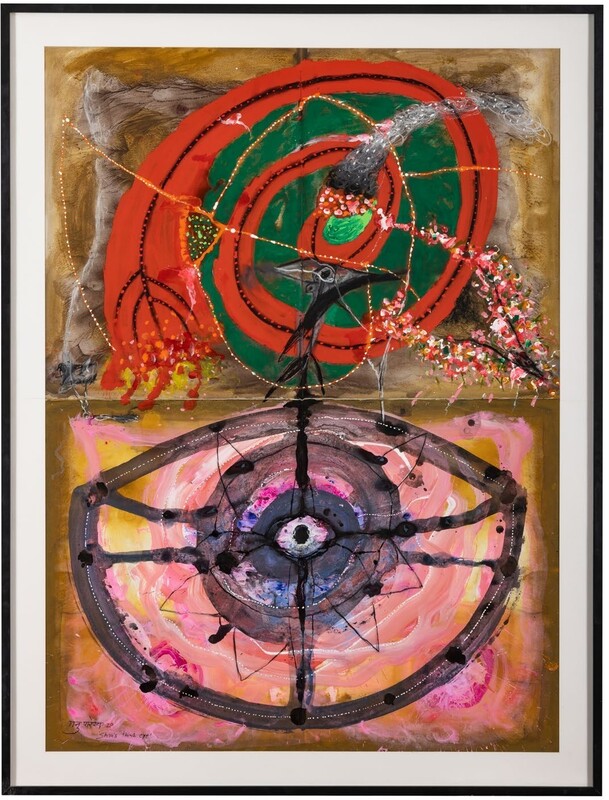
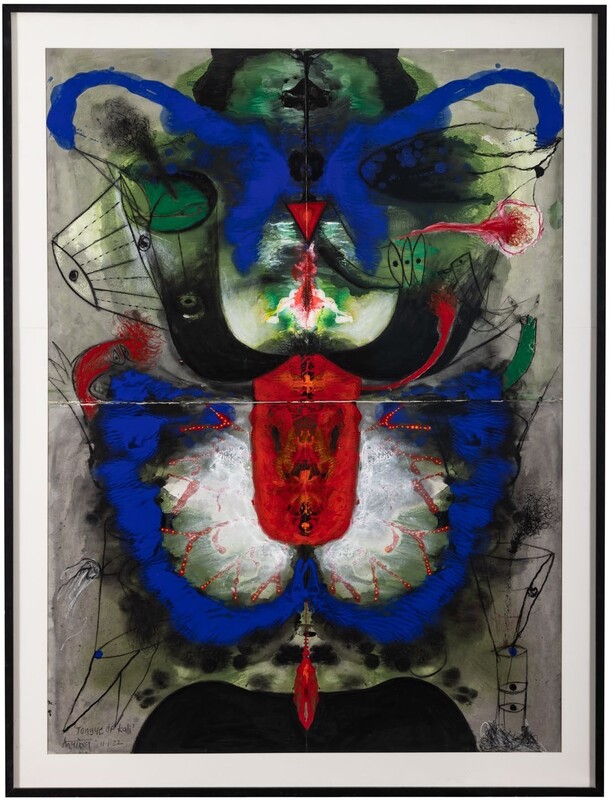
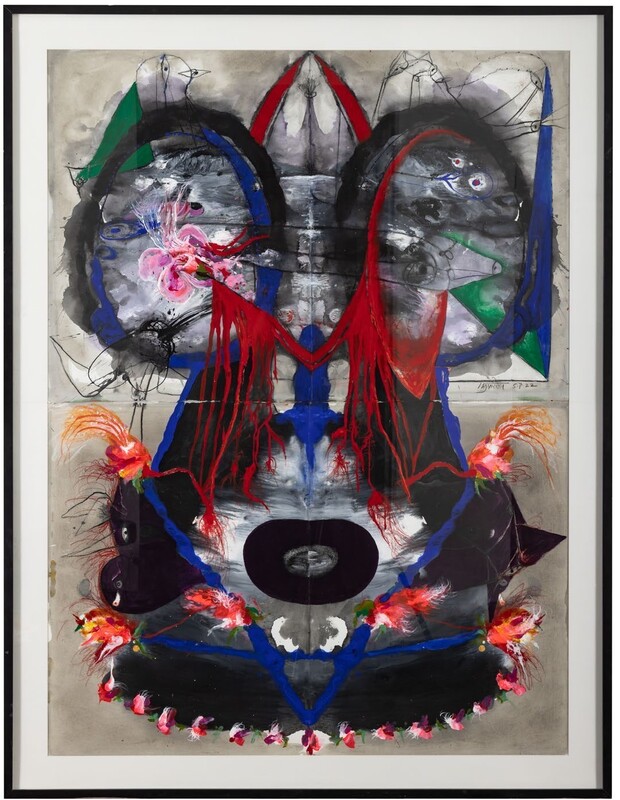
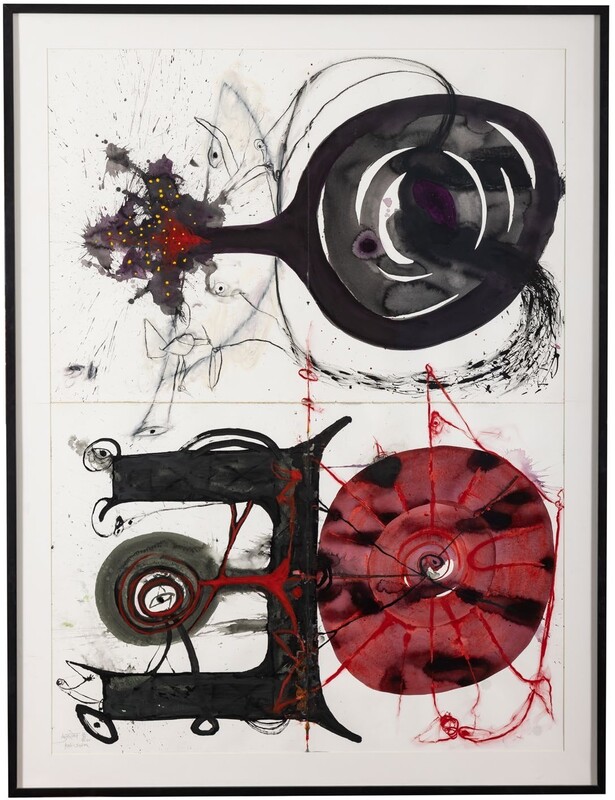
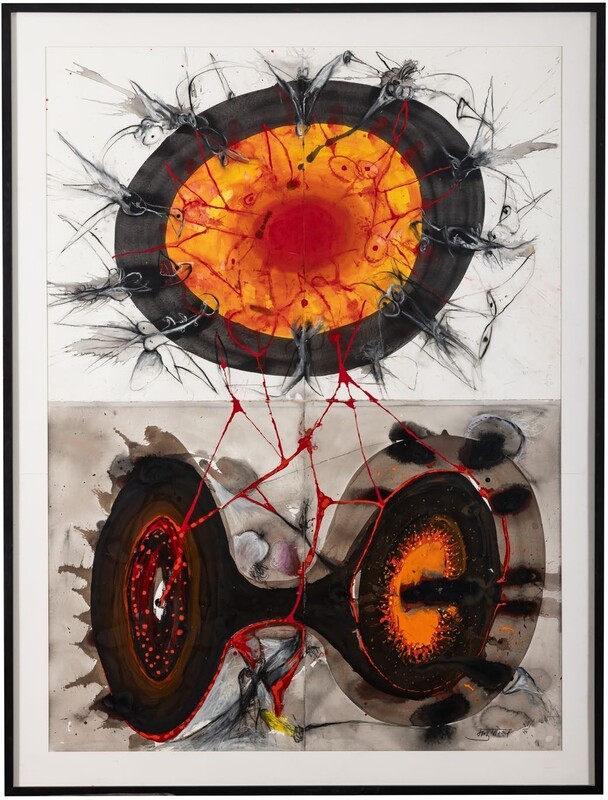
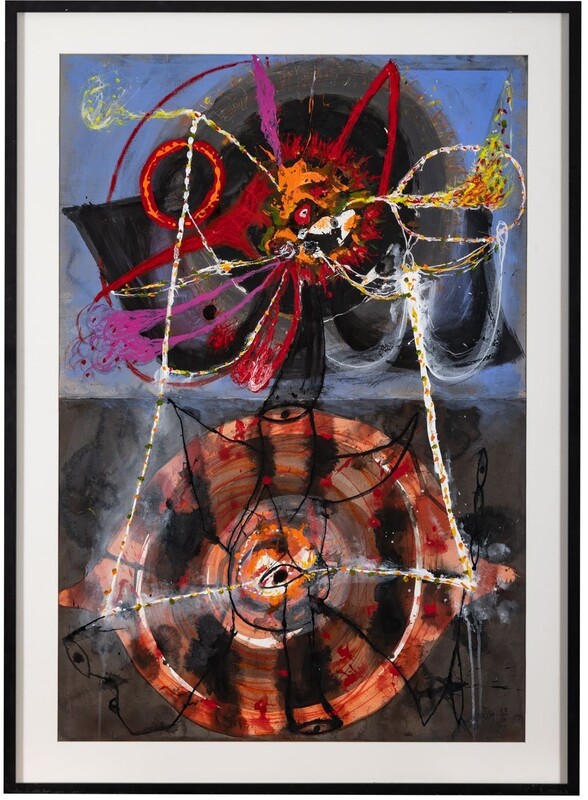
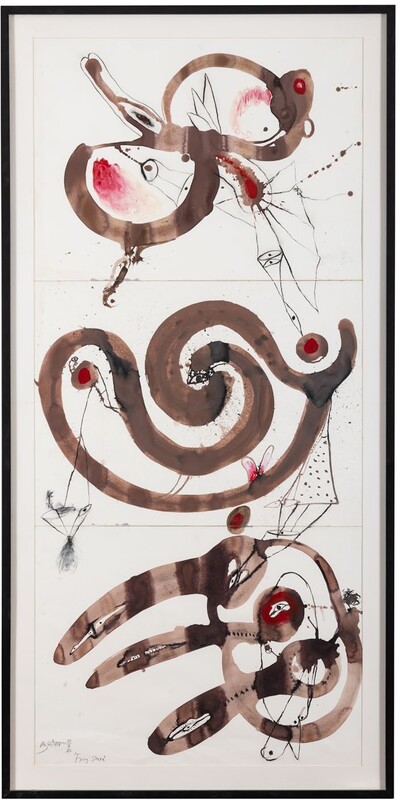
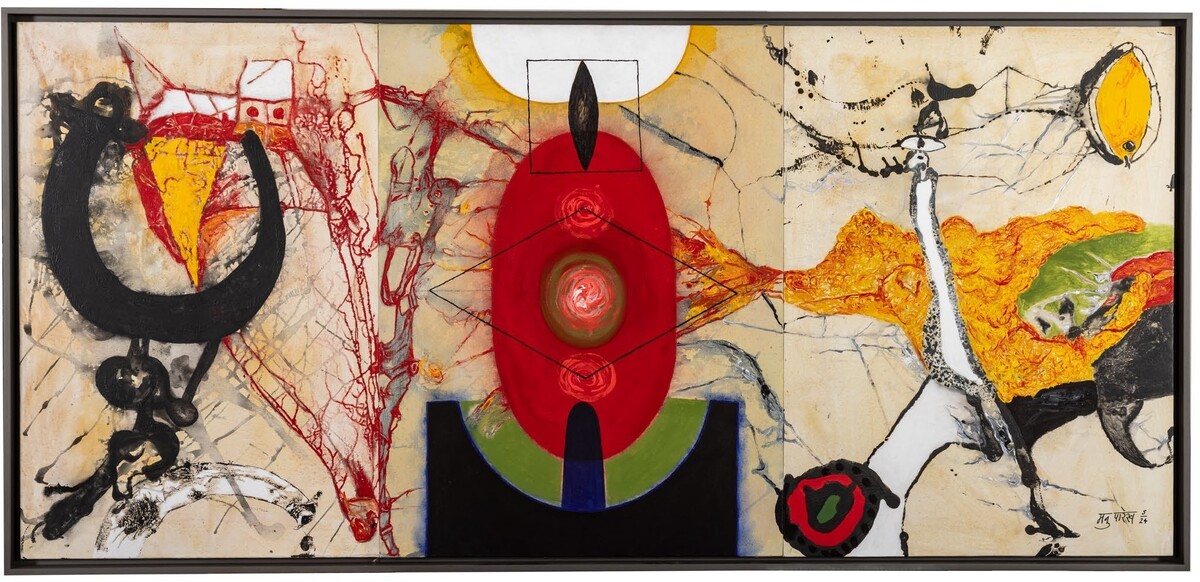
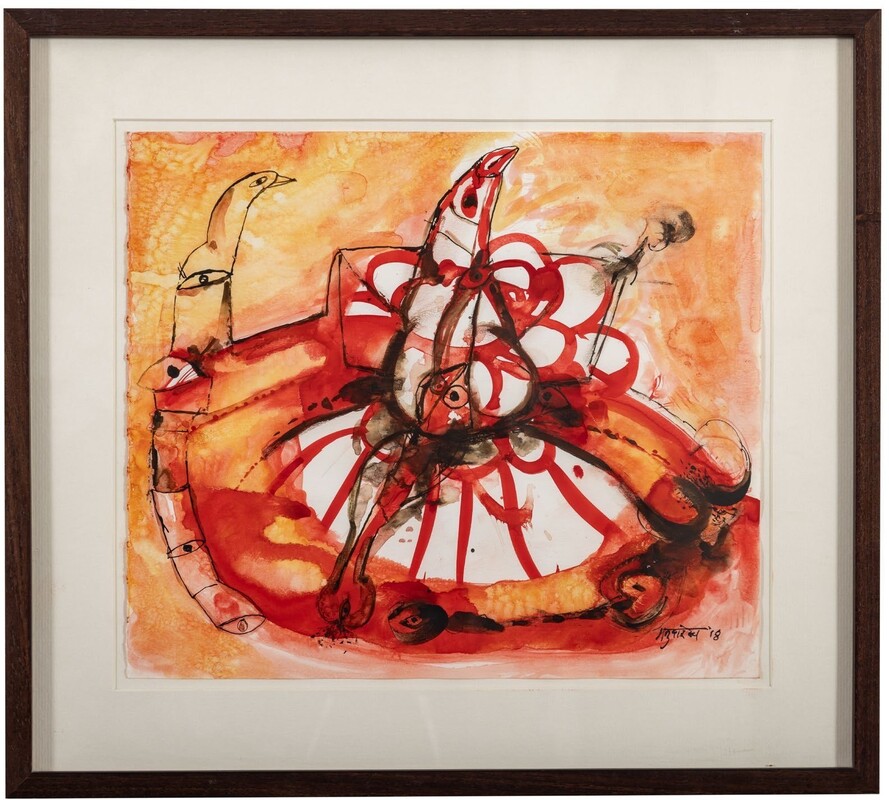
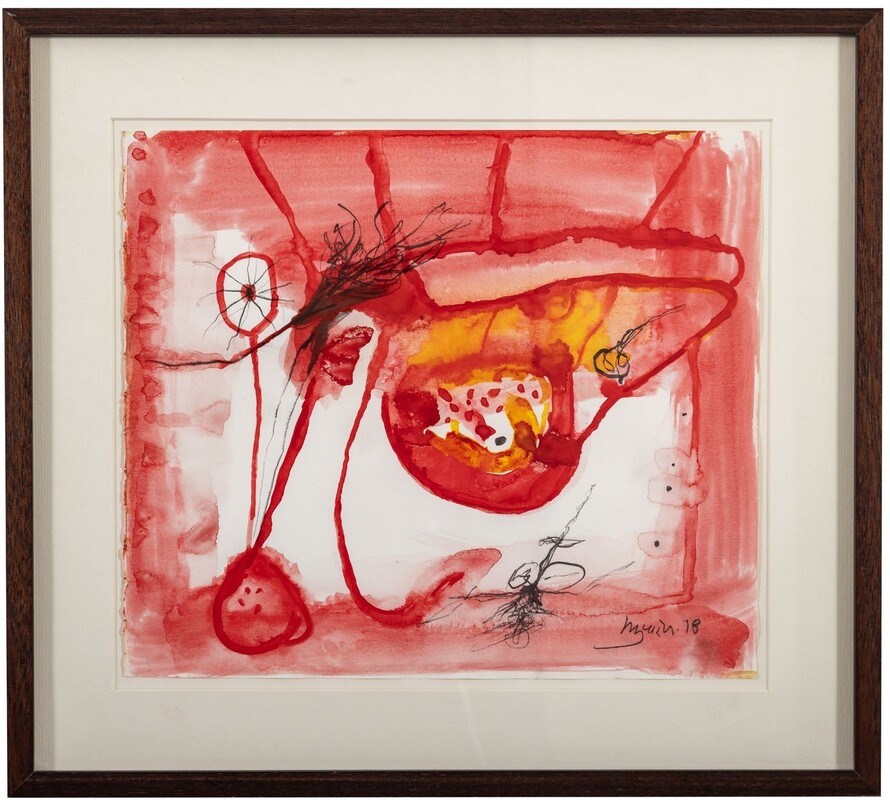
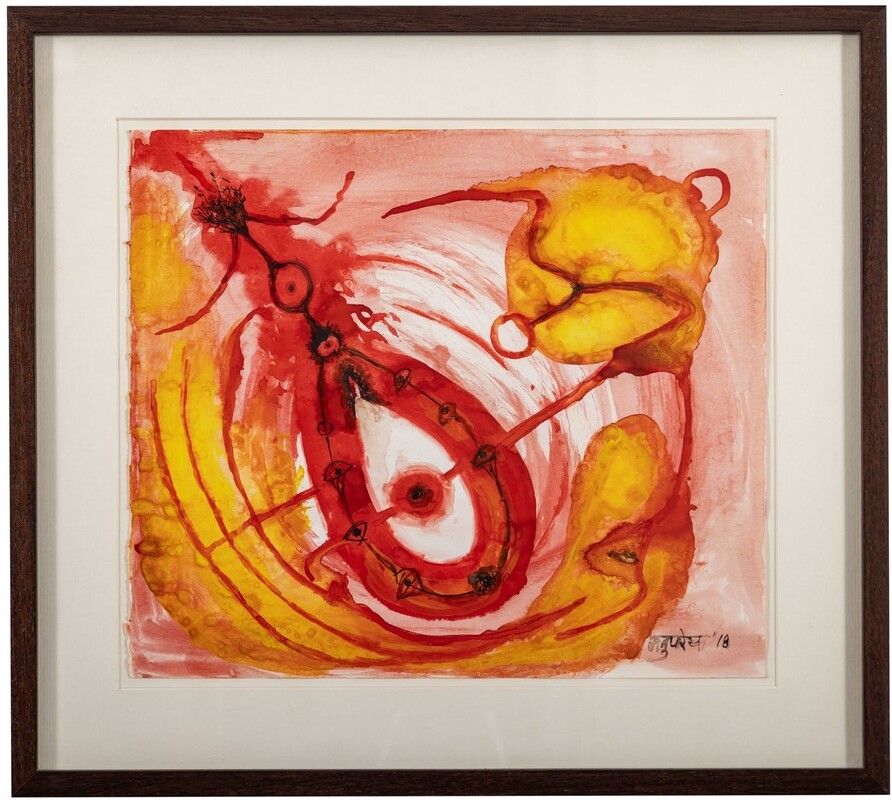
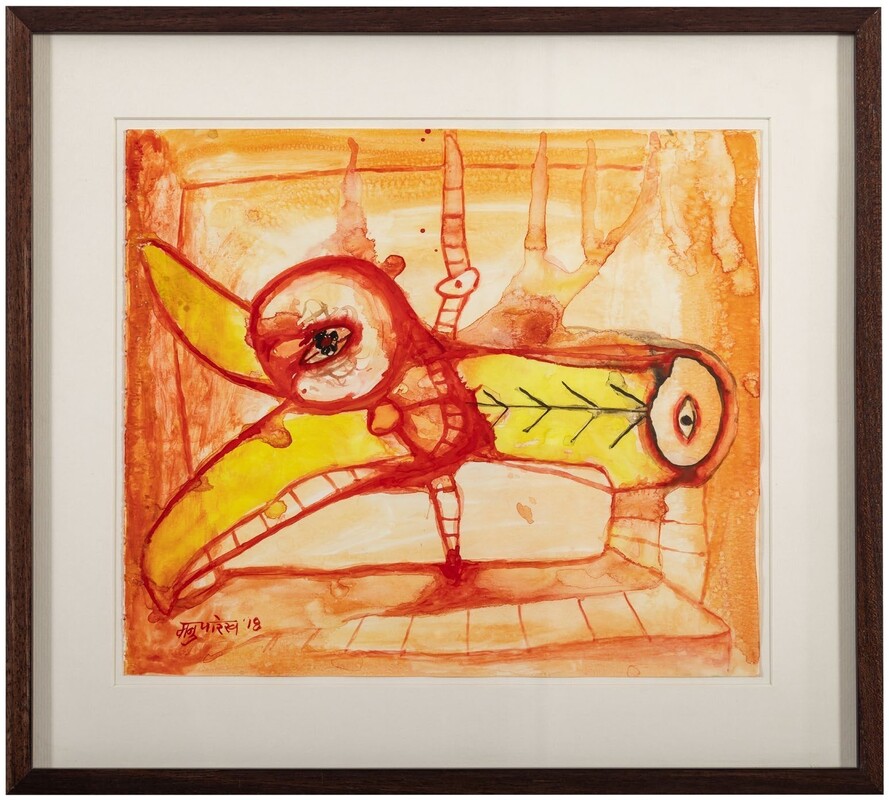
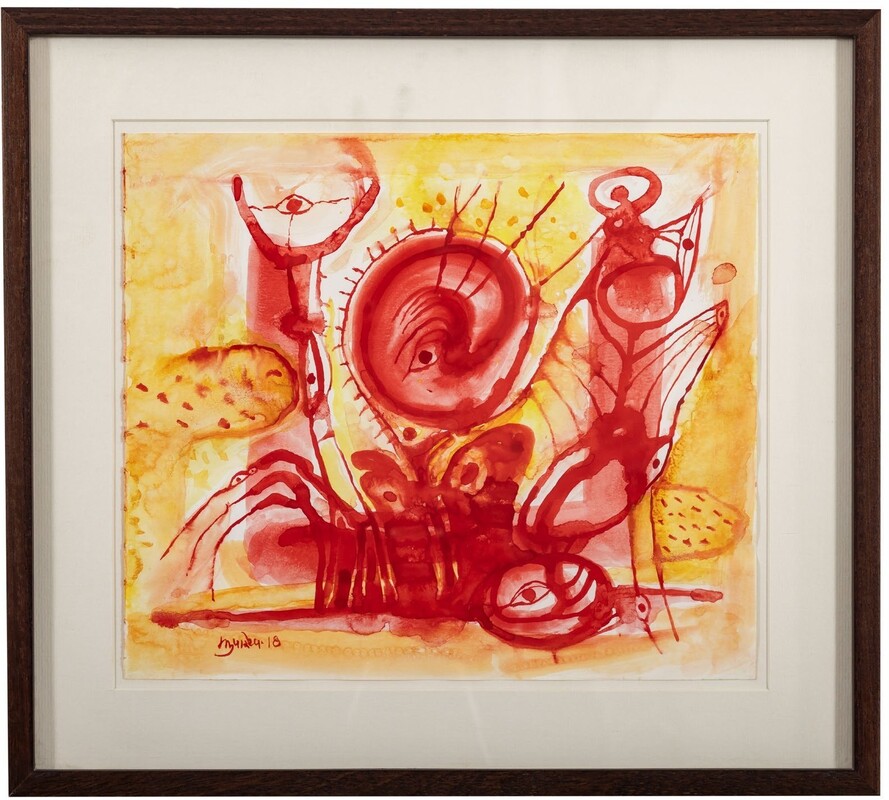
Nature Morte is pleased to present a new body of work "Flower Sutra" by one of Delhi's most prolific senior painters. Continuing an artistic practice which began in the 1970s, Manu Parekh shows no signs of slowing down or resting on his laurels. The exhibition, of works on canvas and paper created in the past few years, is evidence of a mind which continues to challenge how the heart can come together with the hands to create works of passion and bravura.
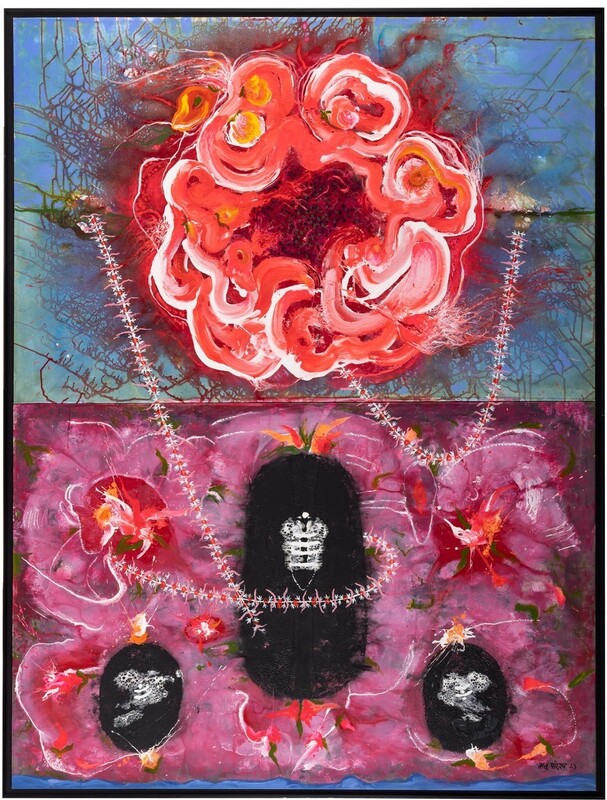
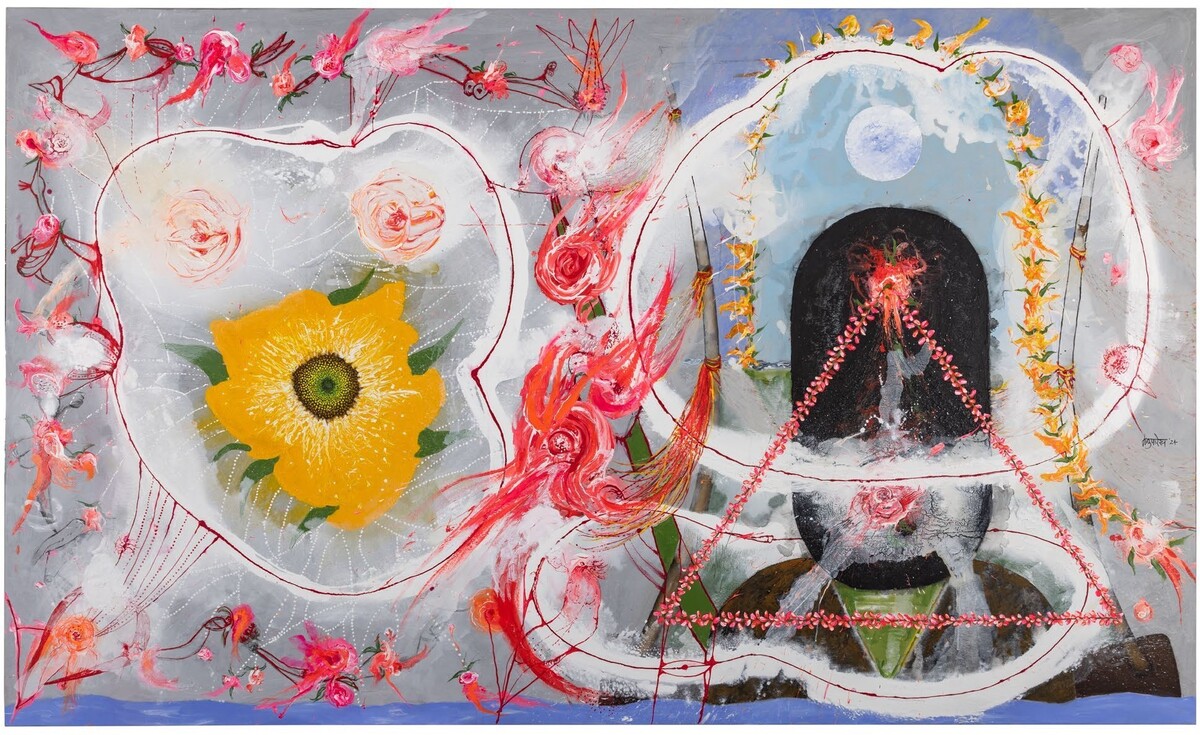
In his latest works, Parekh continues his lifelong engagement with dualities: order and chaos, stillness and movement, creation and decay. A painter attuned to life’s energies, he channels these tensions into compositions that pulse with rhythm and contrast. Energy is central to Parekh’s practice, made visible through his brushstrokes. Layers build upon each other: thick impasto meets delicate washes, jagged lines cut through fluid color, creating a surface that hums with spontaneity and intention. His paintings don’t just depict movement, they embody it, drawing the viewer into their restless depths. Rather than impose order, Parekh embraces flux. His brushwork reveals movement, capturing the restless energy that animates both nature and human experience.
Flowers, a recurring motif across cultures, anchor his work in a broader artistic lineage. In Indian miniatures, they symbolize abundance; in Dutch still lifes, transience. Here, they mark both change and continuity, dissolving and reforming within the painted surface. As Parekh has noted: "Where there is faith, there will be the presence of flowers. Life, birth, marriage, and death: flowers will be there. I have visited the Vatican, Ajmer, Nizamuddin Auliya's dargah, gurudwaras, and Banaras. There were only two things common to all these places: faith and flowers."
Manu Parekh was born in 1939 in Ahmedabad and lives and works in New Delhi. He graduated from the Sir J. J. School of Art, Bombay in 1962. A self-proclaimed “physical” painter, Padma Shri-awarded Parekh started his artistic journey with the objective to create a modernism rooted in vernacular traditions, thanks to his exposure to art forms such as rangoli and embroidery early on in his life. He eventually went on to discover a unique contemporary visual lexicon through working with weavers and textiles, particularly during his decade spent in Kolkata. The city’s authenticity, whether it was the progressive milieu or its poverty, left an indelible mark on Parekh’s psyche, providing his figurative abstraction with an unprecedented wave of creative inspiration. Following his move to Delhi in 1975, Parekh found himself at a loss for inspiration. Delhi was almost too manicured for him to find resonance and expression. It was only after his time spent in Banaras that a renewed surge of creativity blessed him, resulting in the works for which he is best known for today.
Artworks
Installation Views