Mumbai
Zimbiri
Dear Tiger
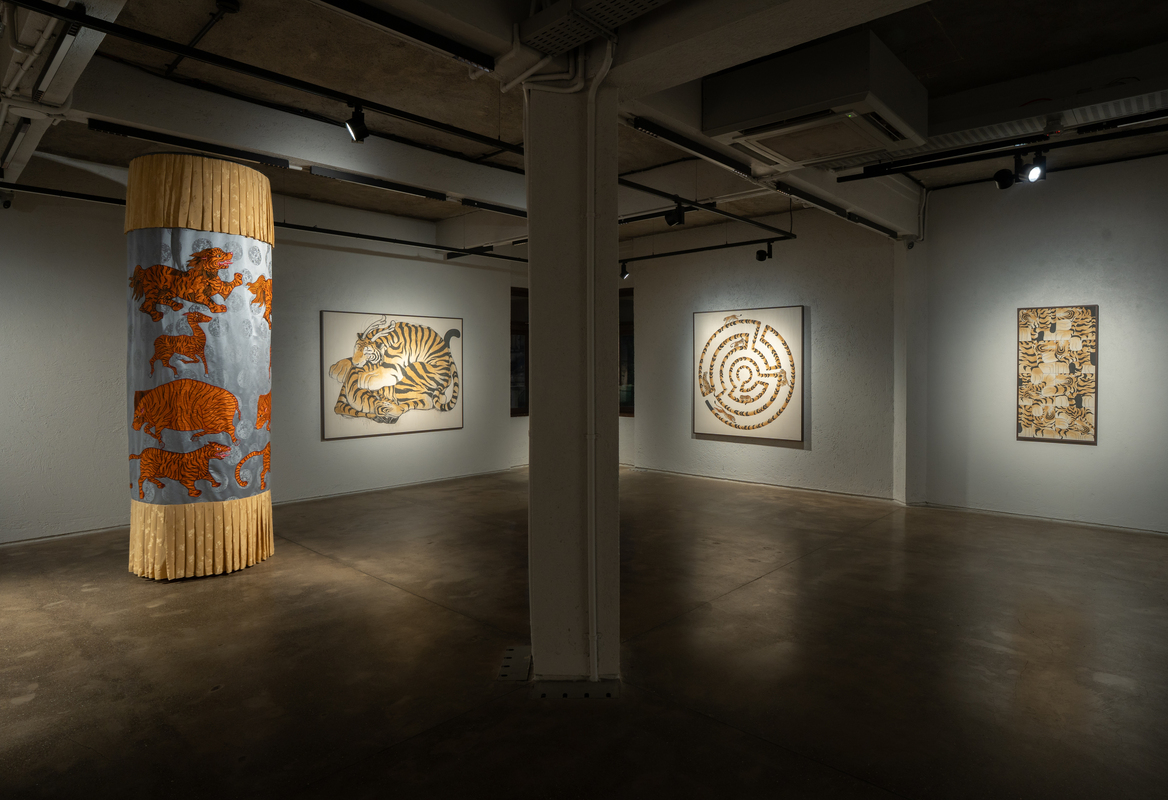
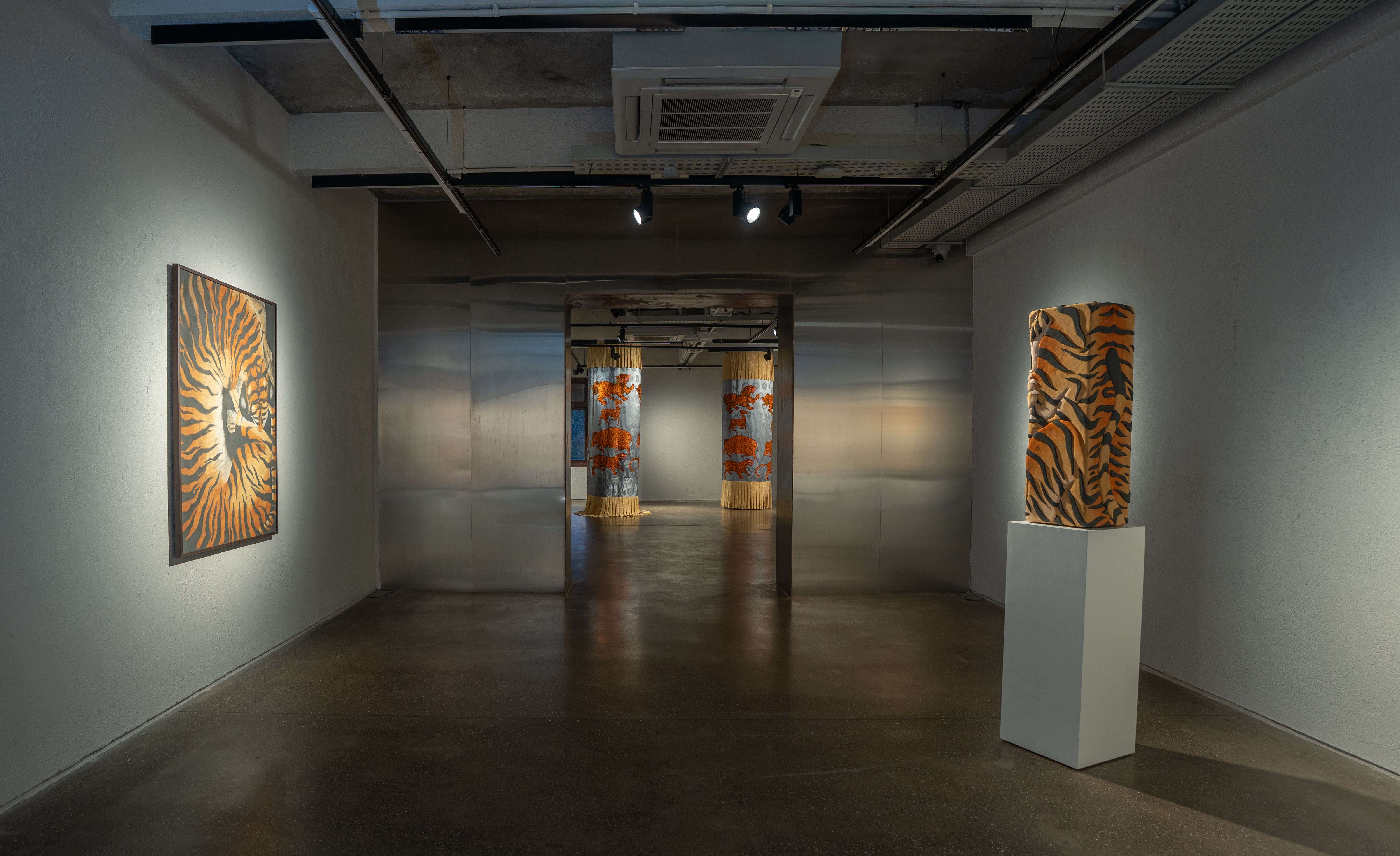
Nature Morte is pleased to present Zimbiri: Dear Tiger, a solo exhibition of new paintings, sculptures, and textile works. Through a cast of recurring animal figures, the exhibition explores how identity is shaped. Not only by who we are, but by the environments, relationships, and belief systems that influence us.
The exhibition takes its title from a play on the words deer and dear. While it references the ‘deer’ and ‘tiger’ that appear throughout the works, it also evokes the opening of a letter, suggesting an ongoing conversation with oneself. Zimbiri approaches identity not as something fixed or innate, but as a process of continual negotiation between internal experience and external influence.
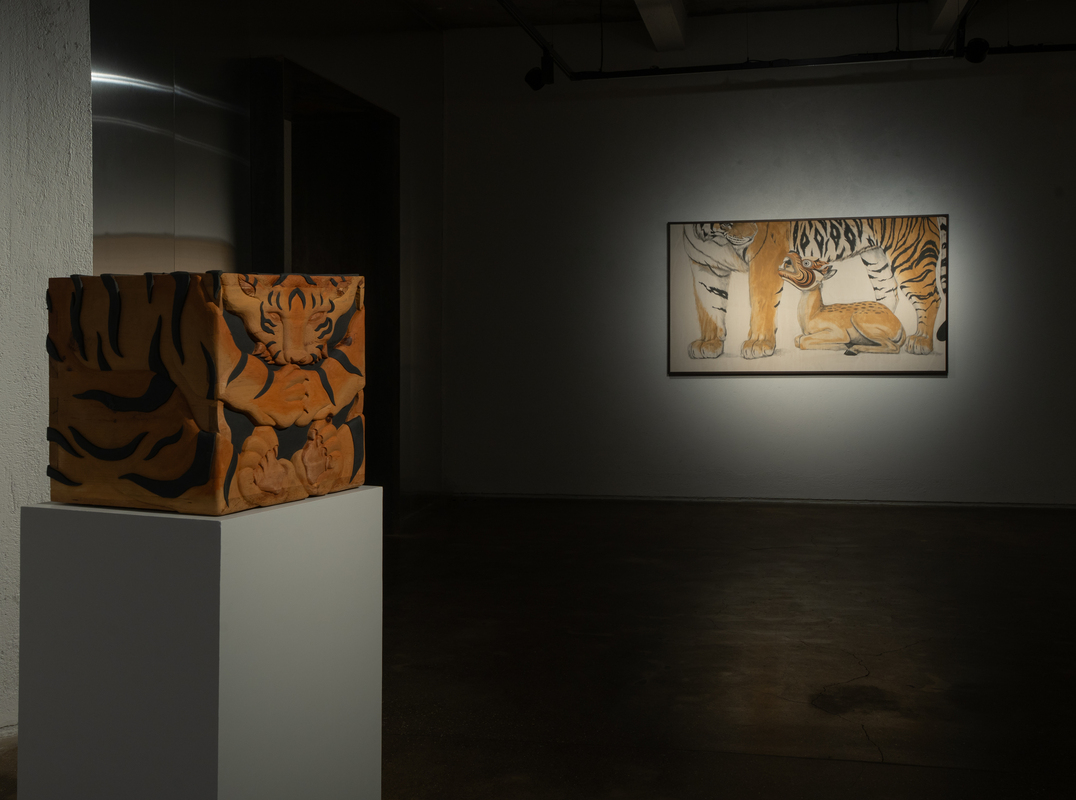
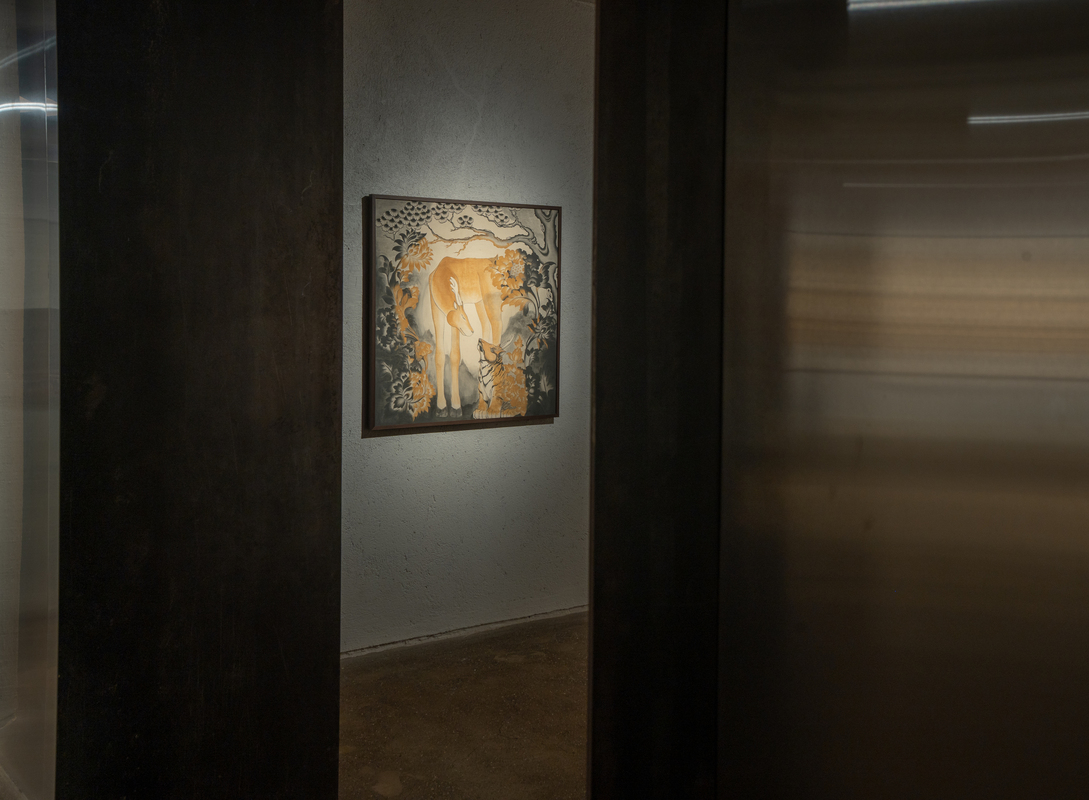
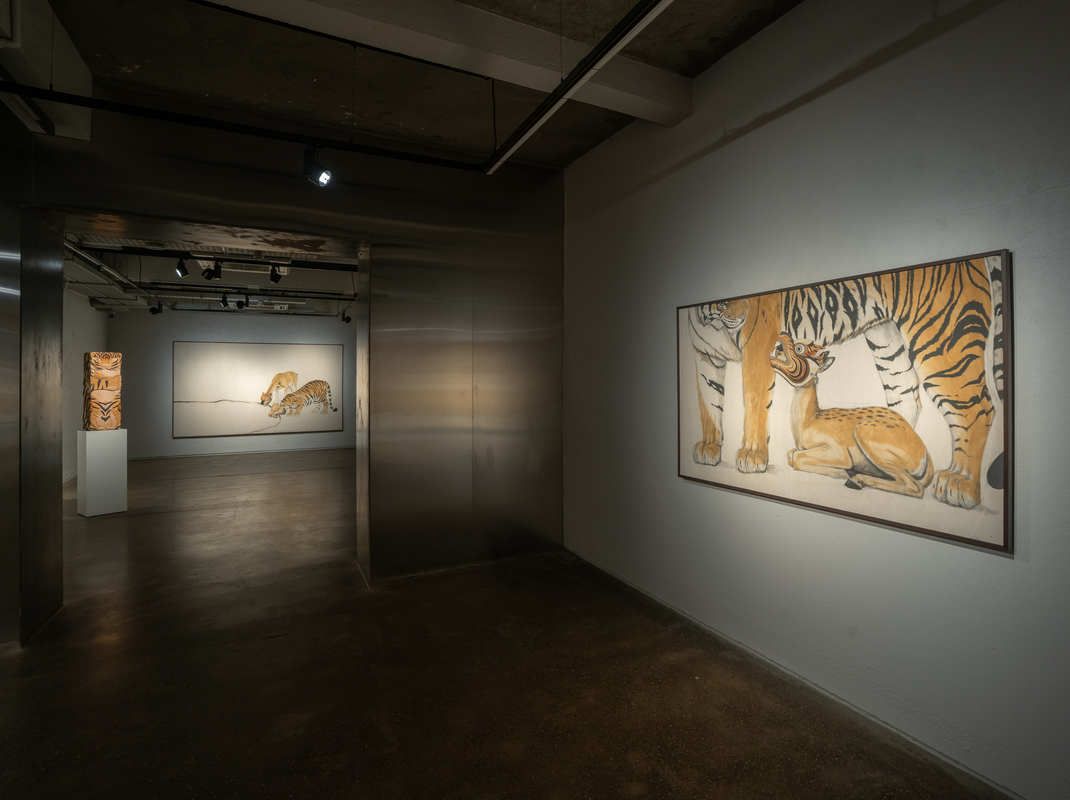
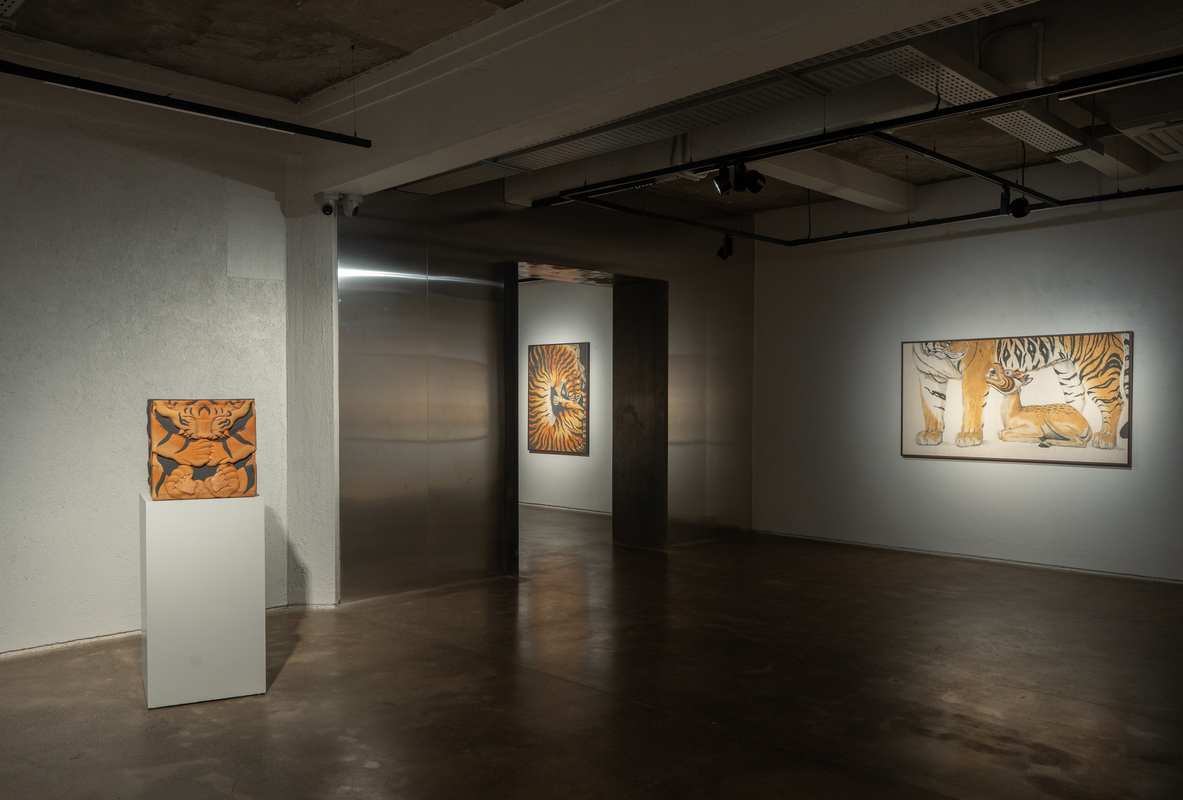
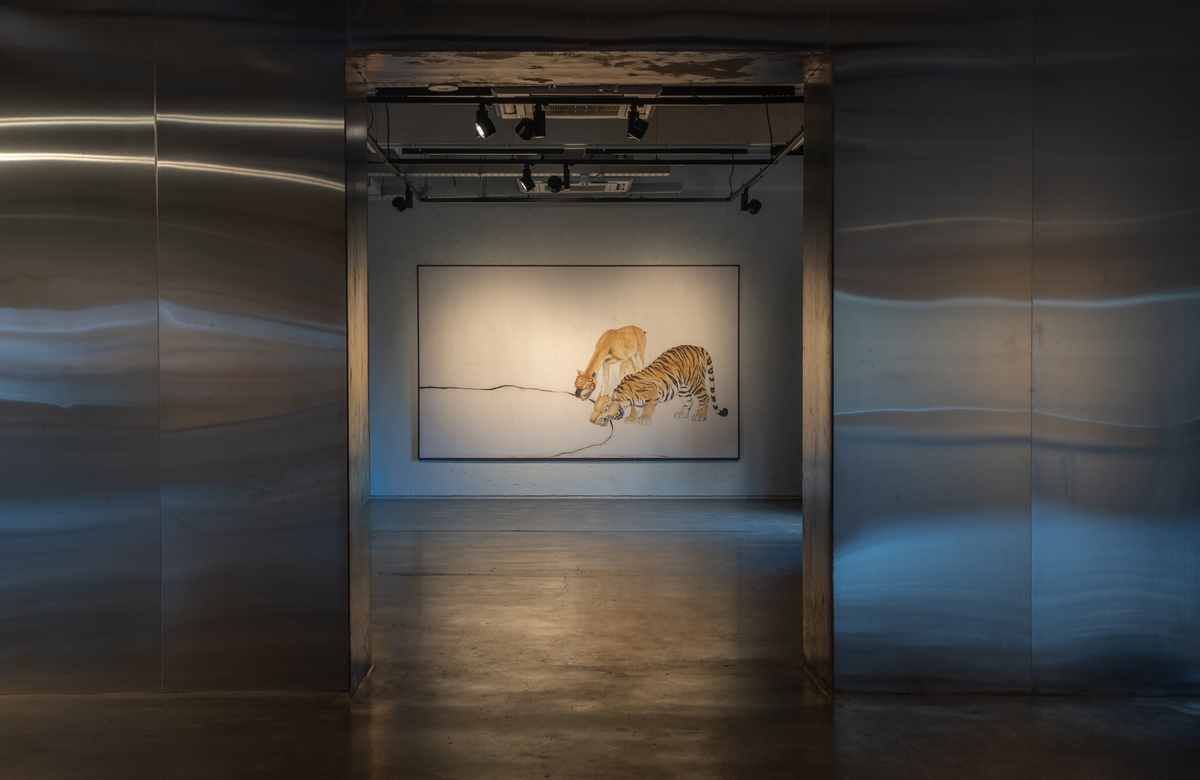
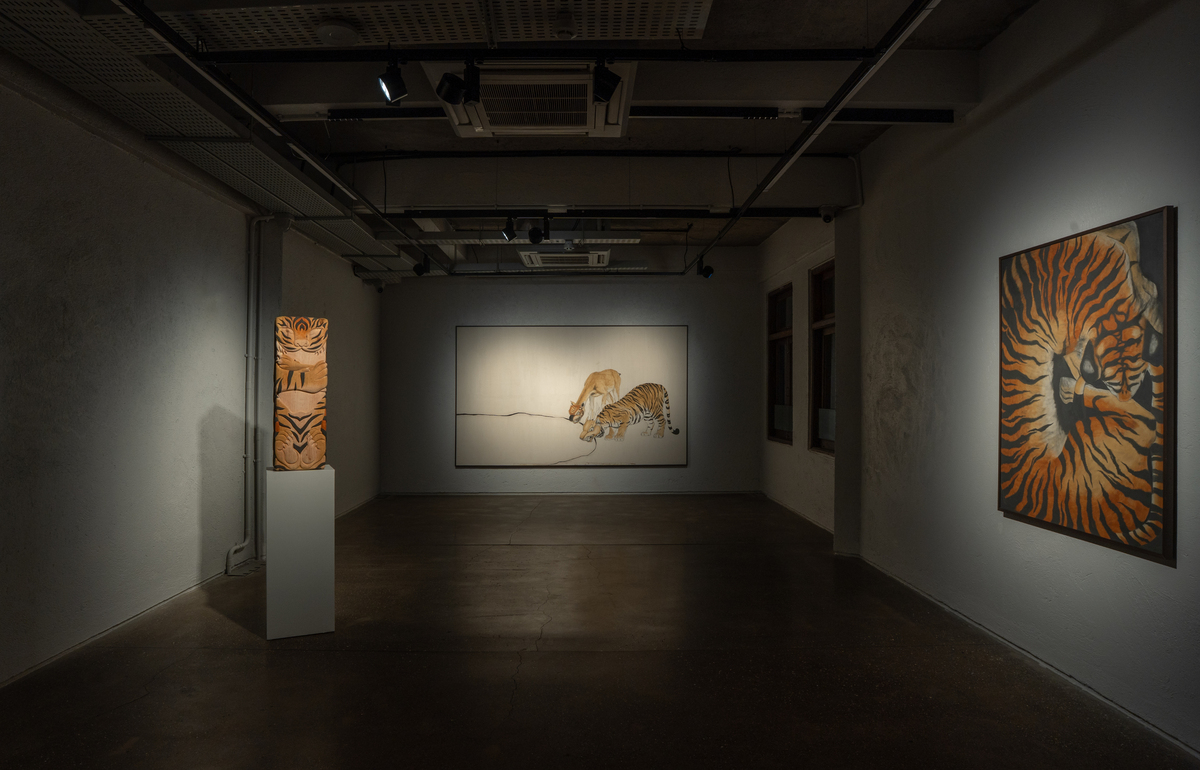
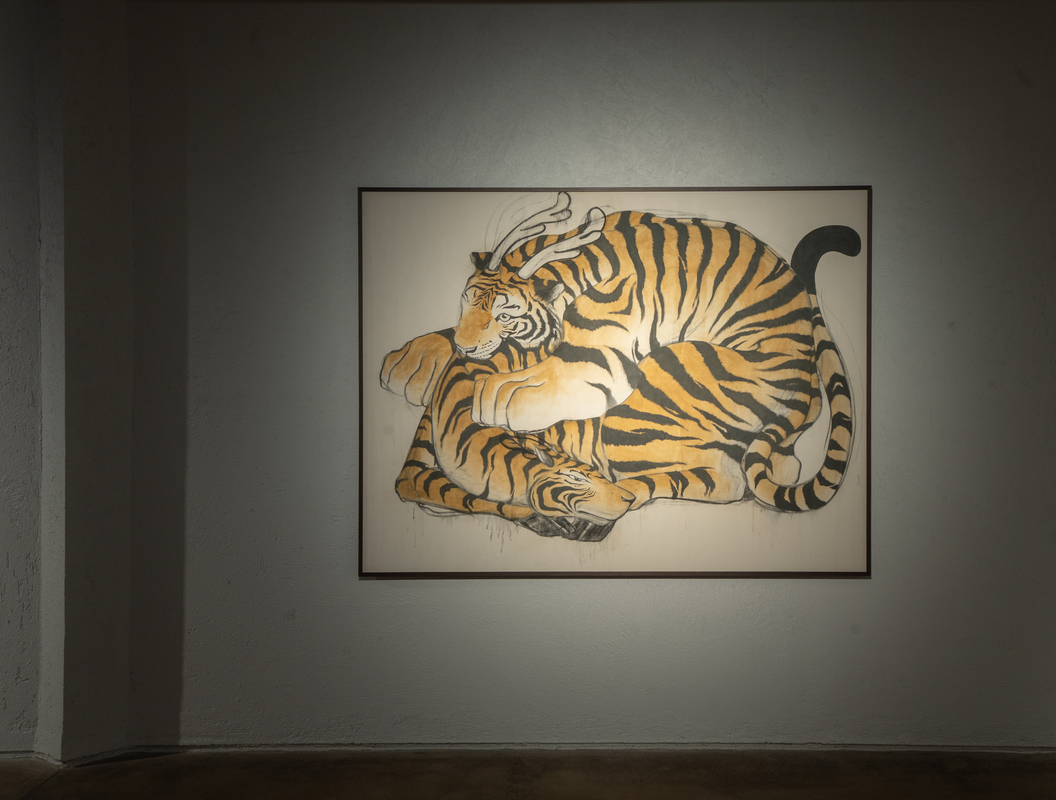
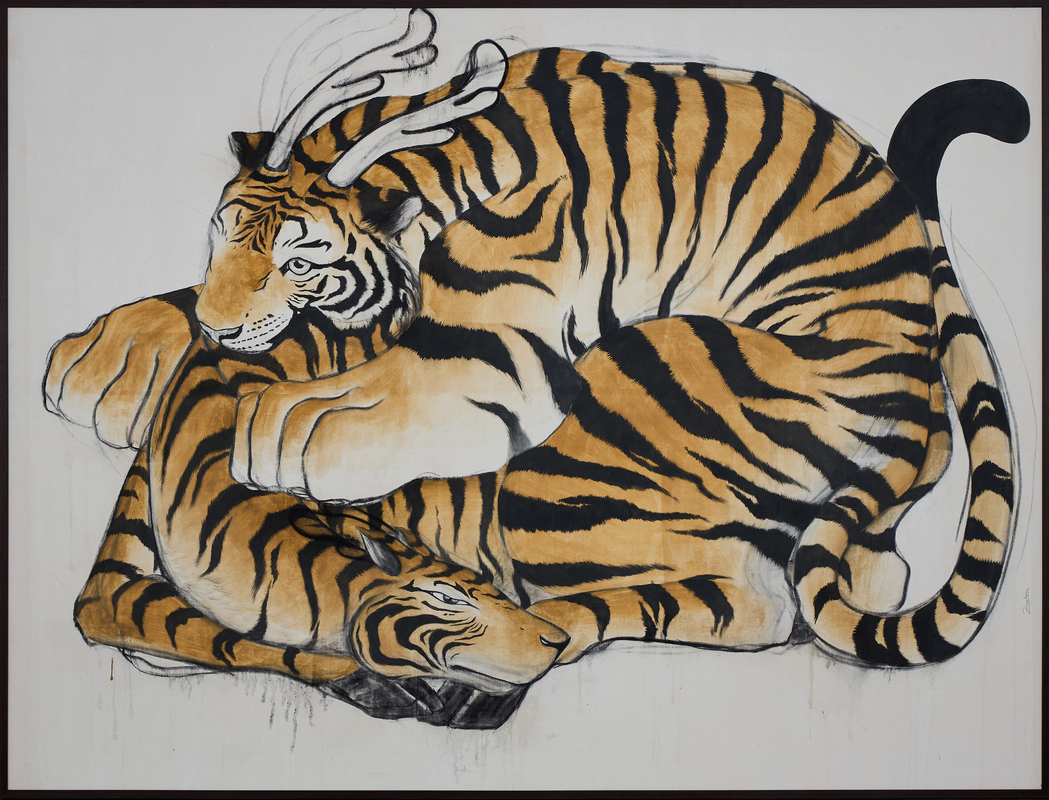
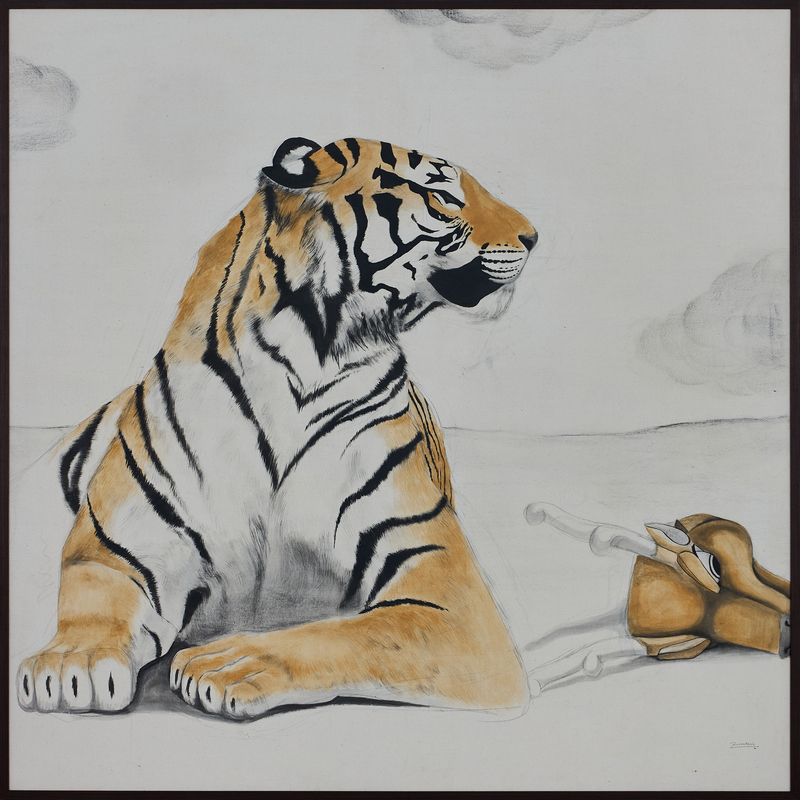
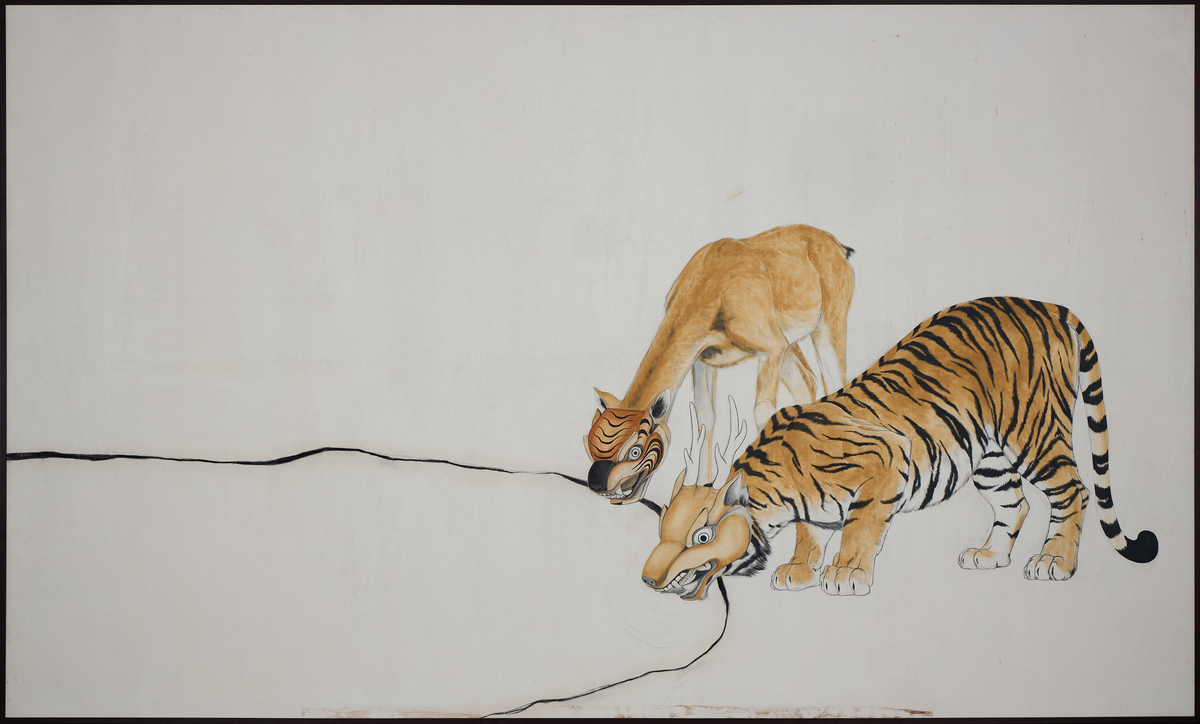
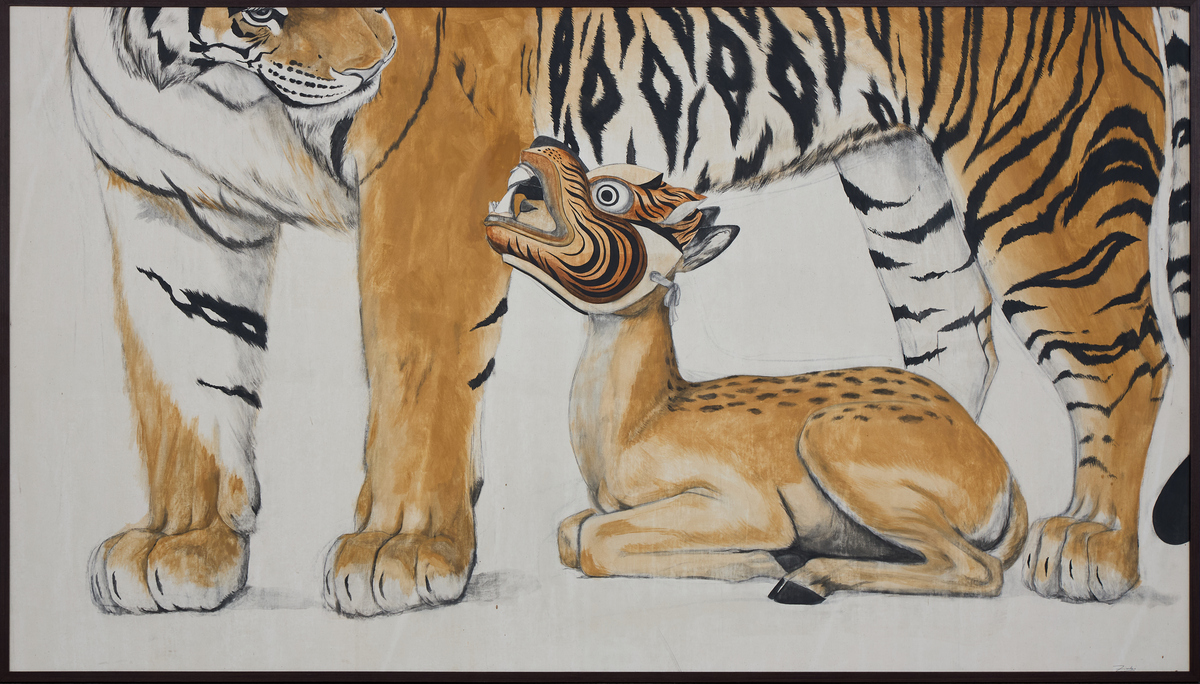
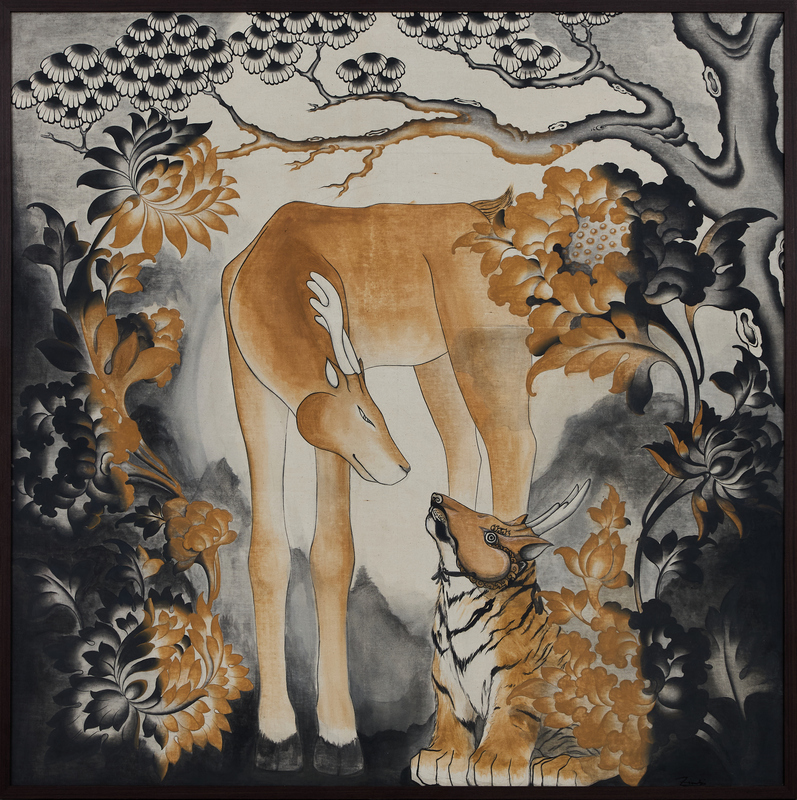
At the centre of the exhibition are paintings in which deer and tigers appear wearing one another's masks. A tiger cub stands beside an adult deer, while a deer adopts the guise of a tiger. These unlikely pairings examine how families, communities, and cultures shape the values and behaviours we inherit. Here, masks function less as disguises than as symbols of influence, belonging, and adaptation.
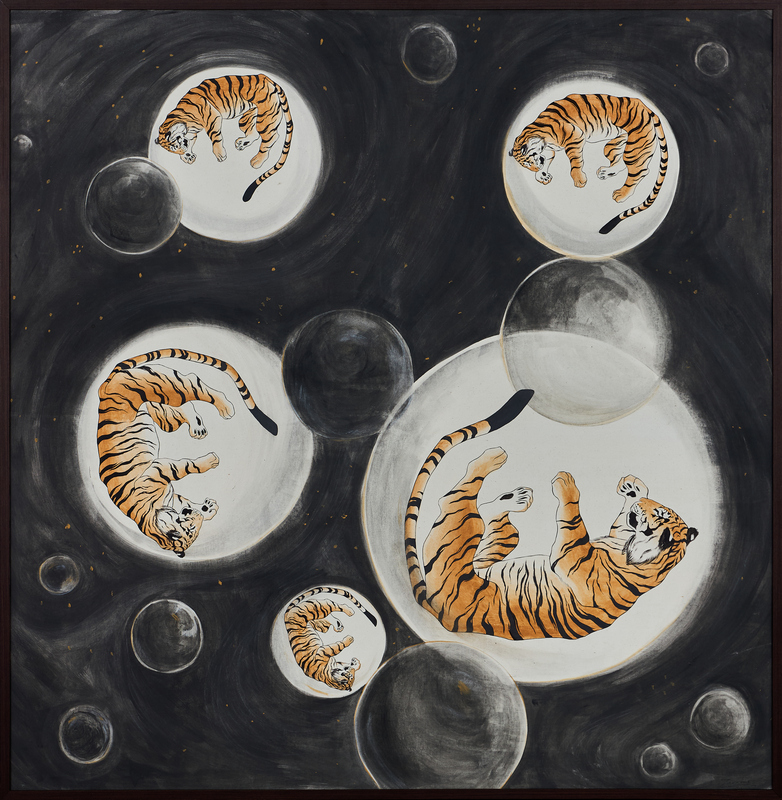
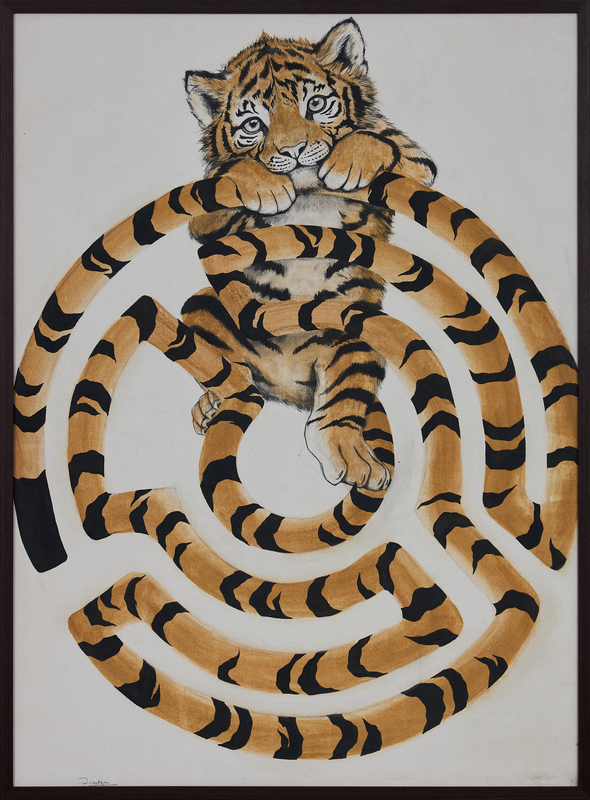
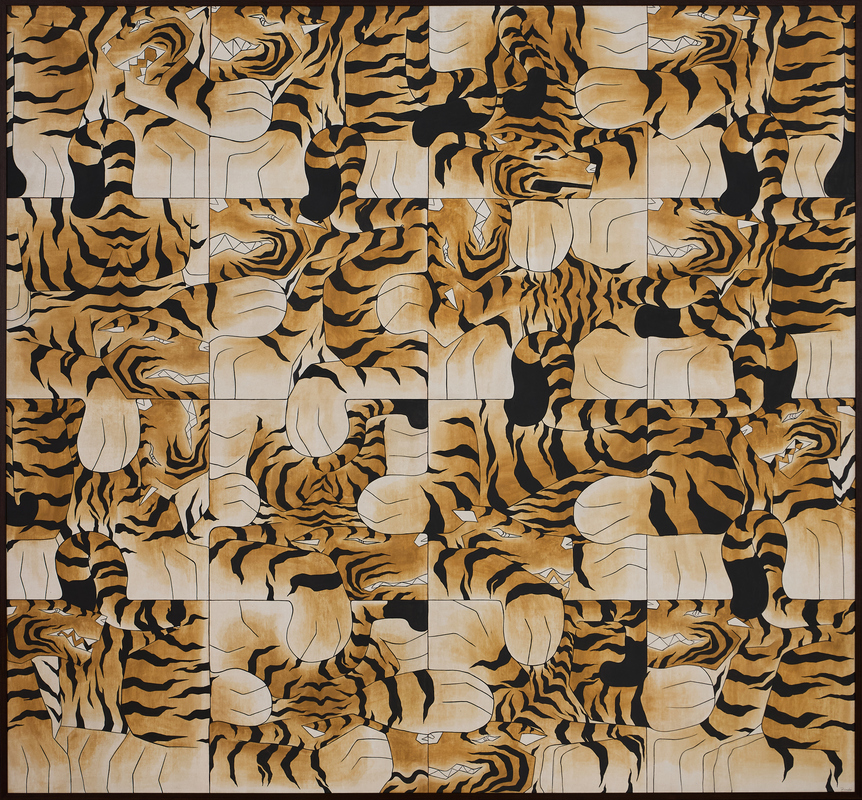
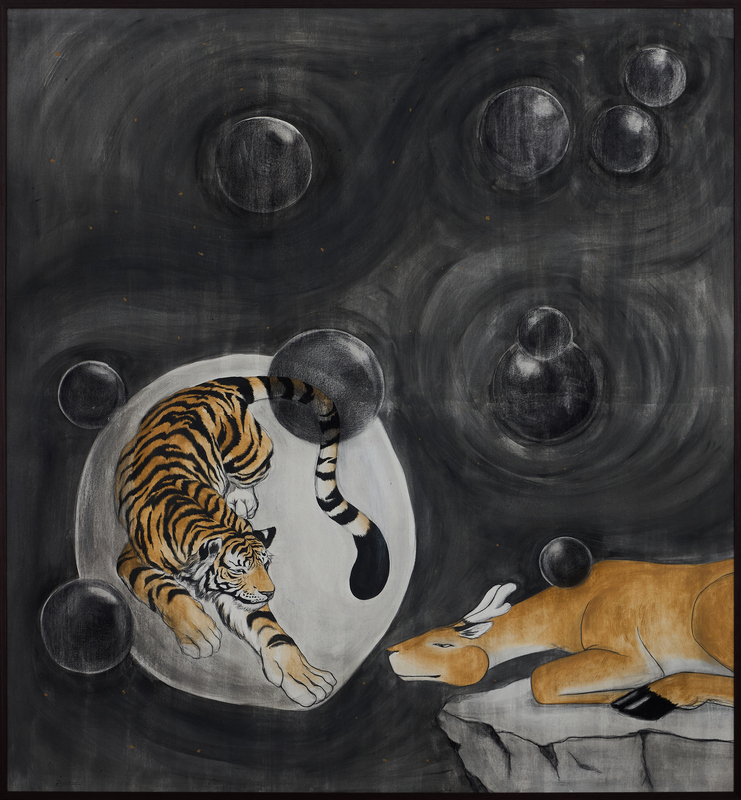
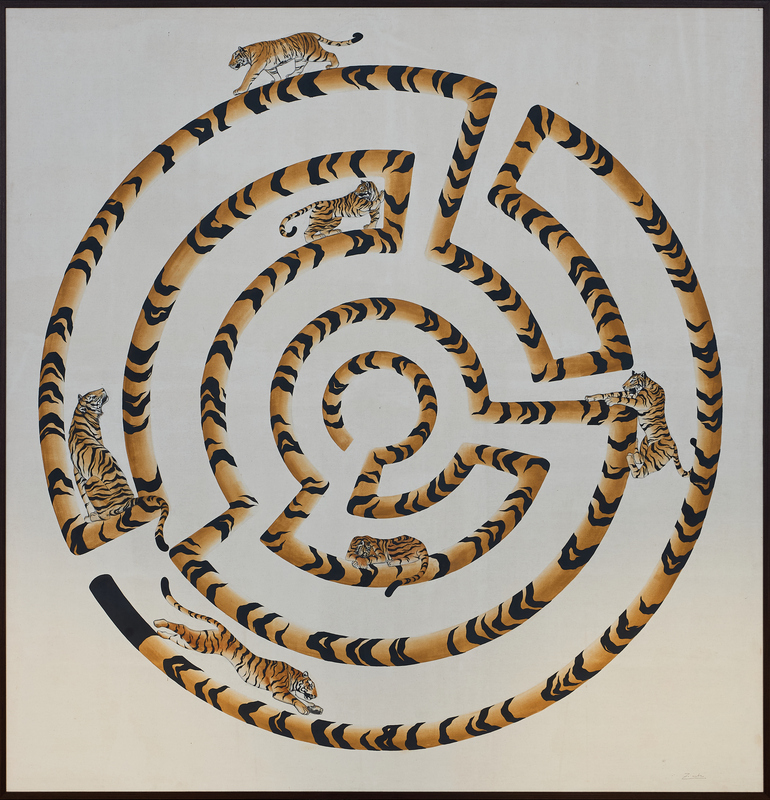
Elsewhere, bubbles, mazes, puzzles, and boxes are used to explore how people make sense of themselves through the stories they tell, the spaces they create, and the roles they occupy within larger communities. How much of our identity is consciously chosen and how much is inherited?
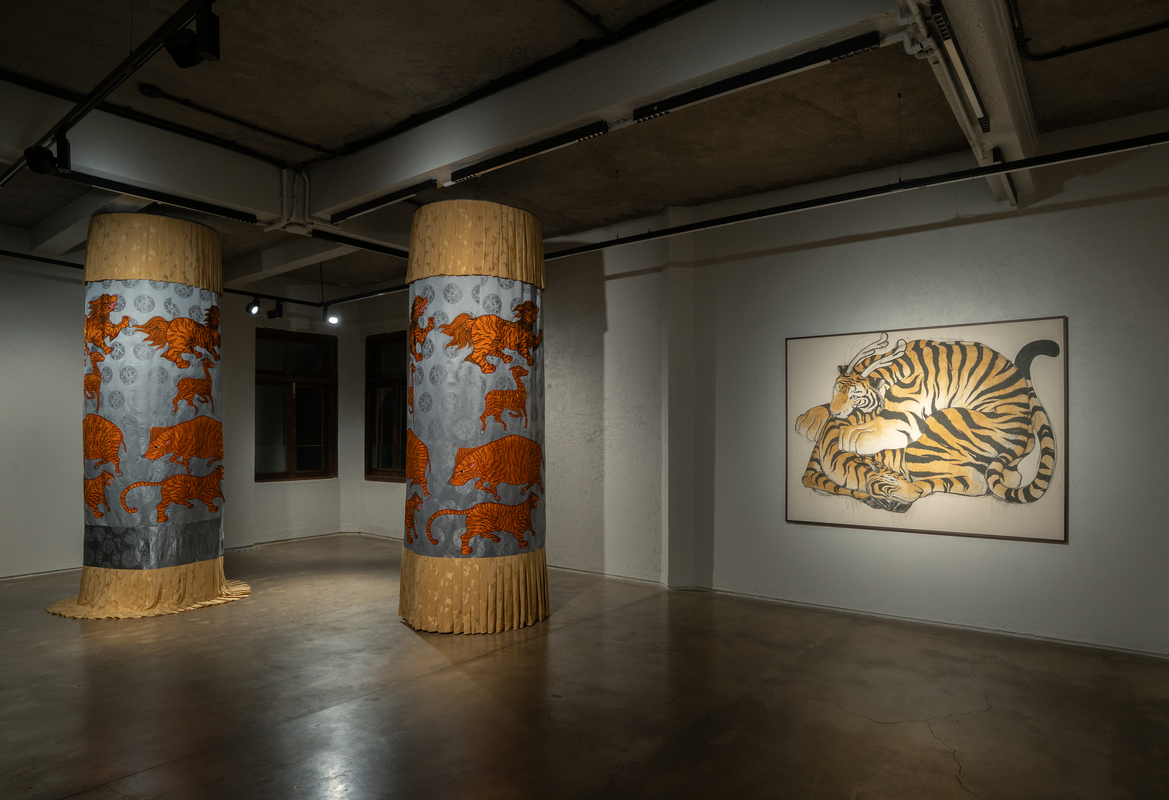
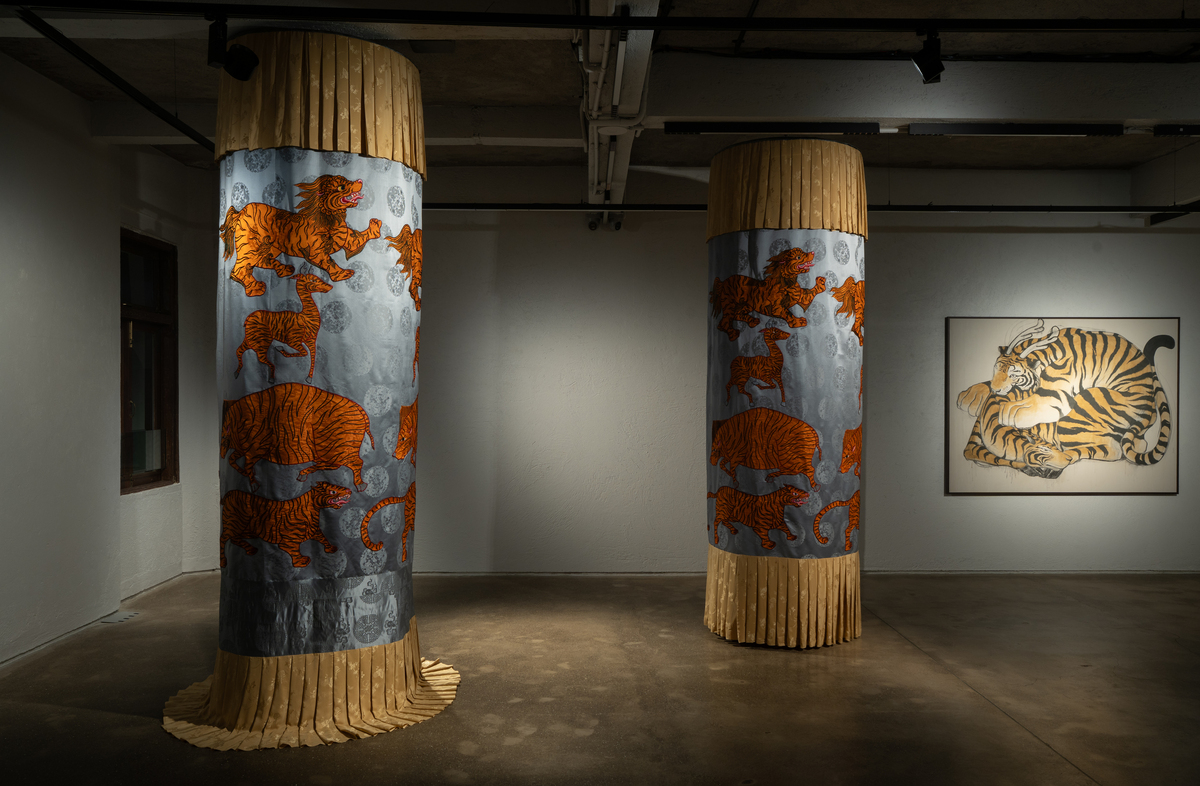
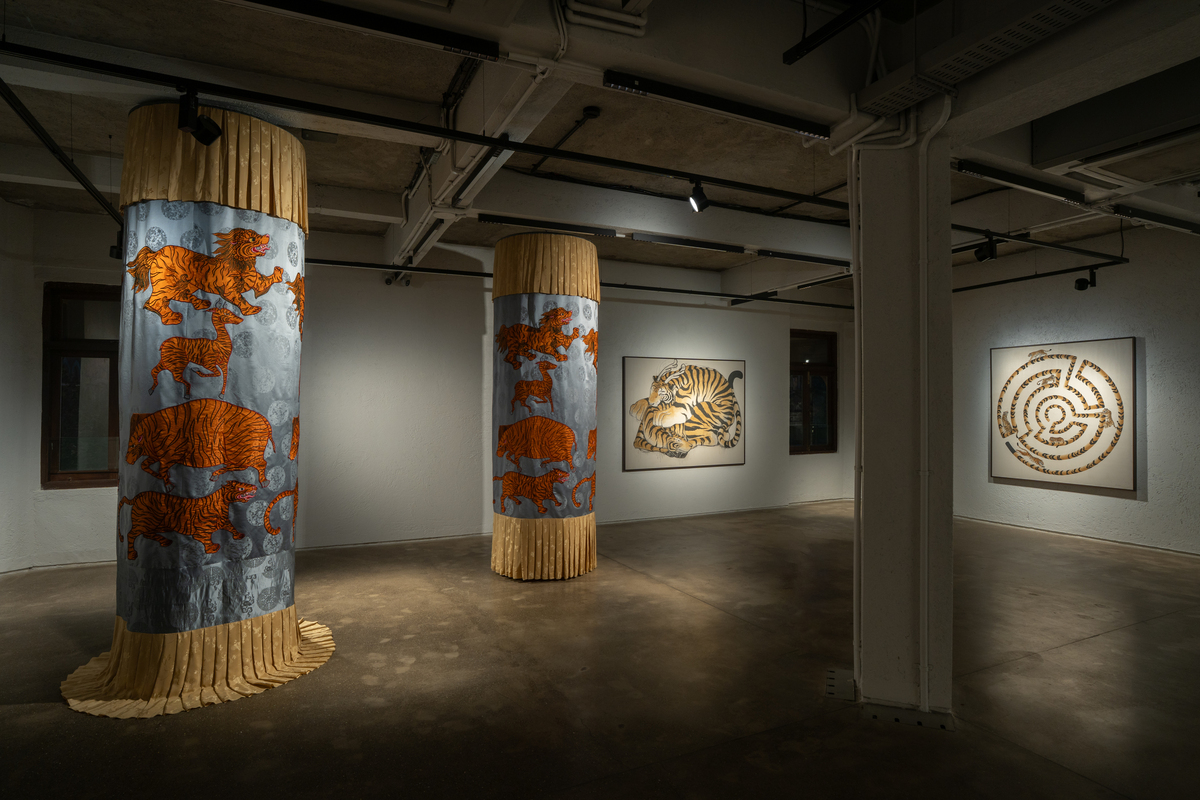
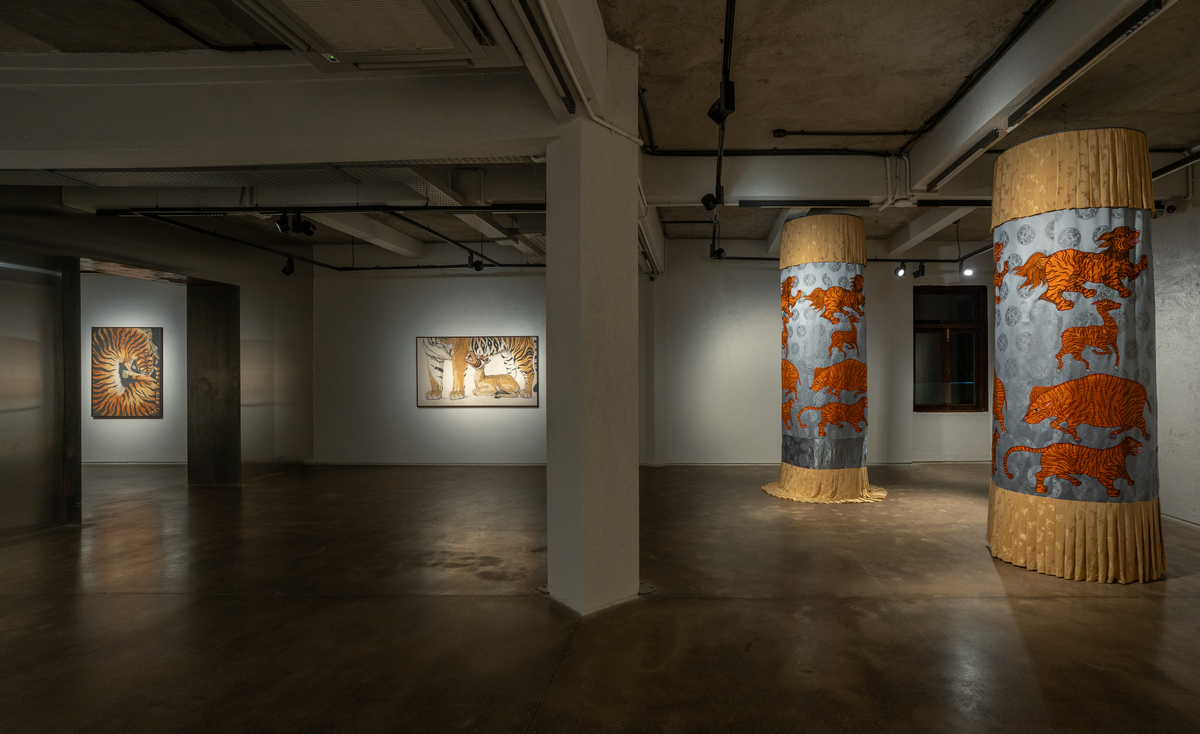
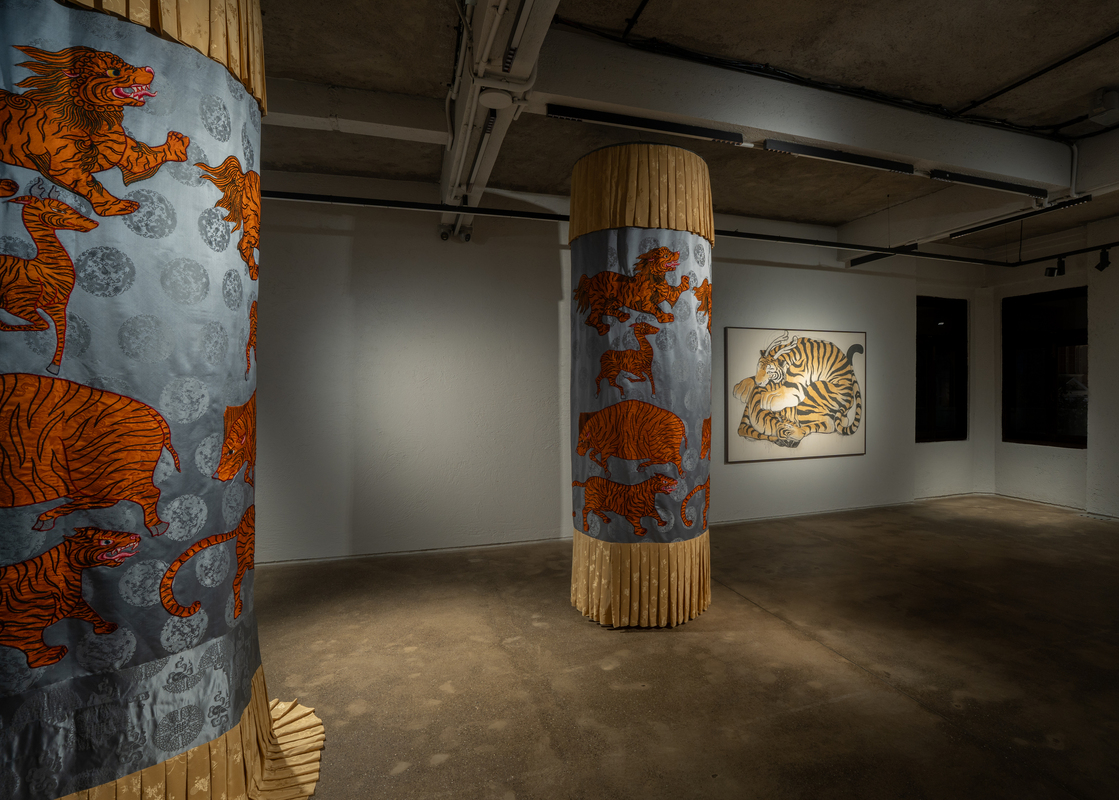
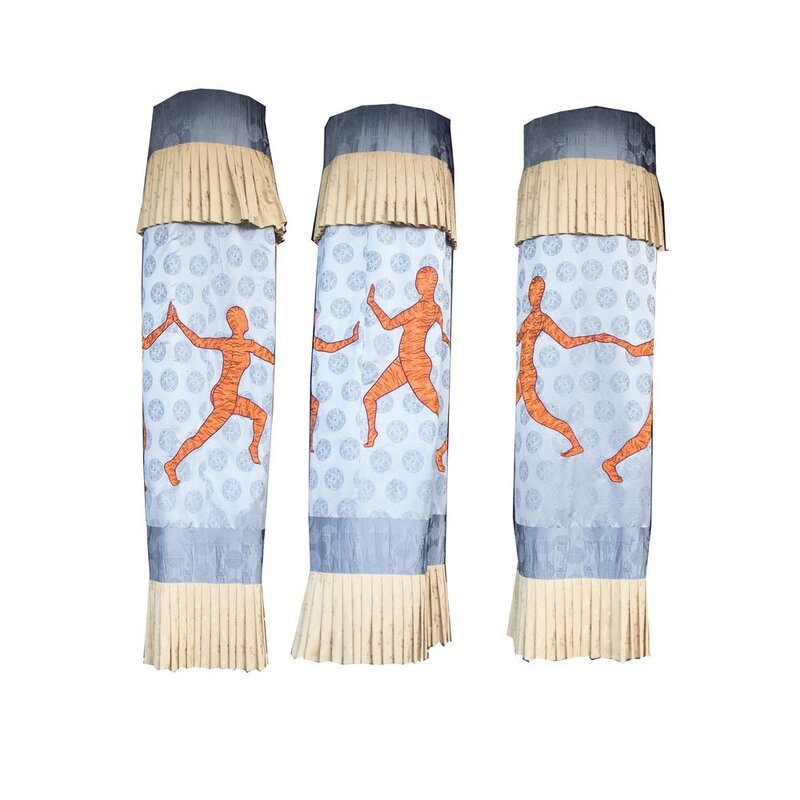
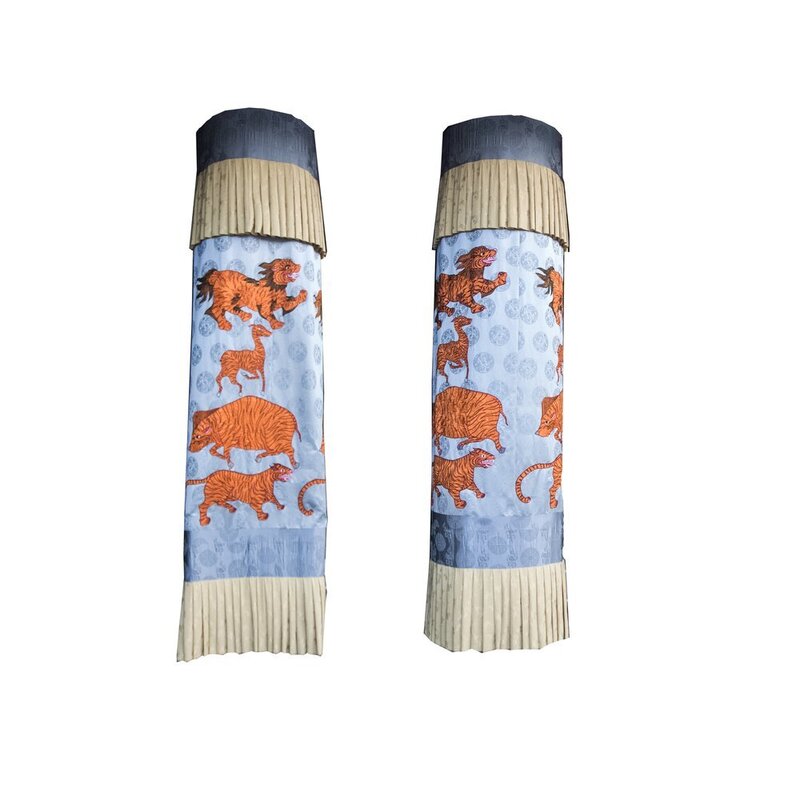
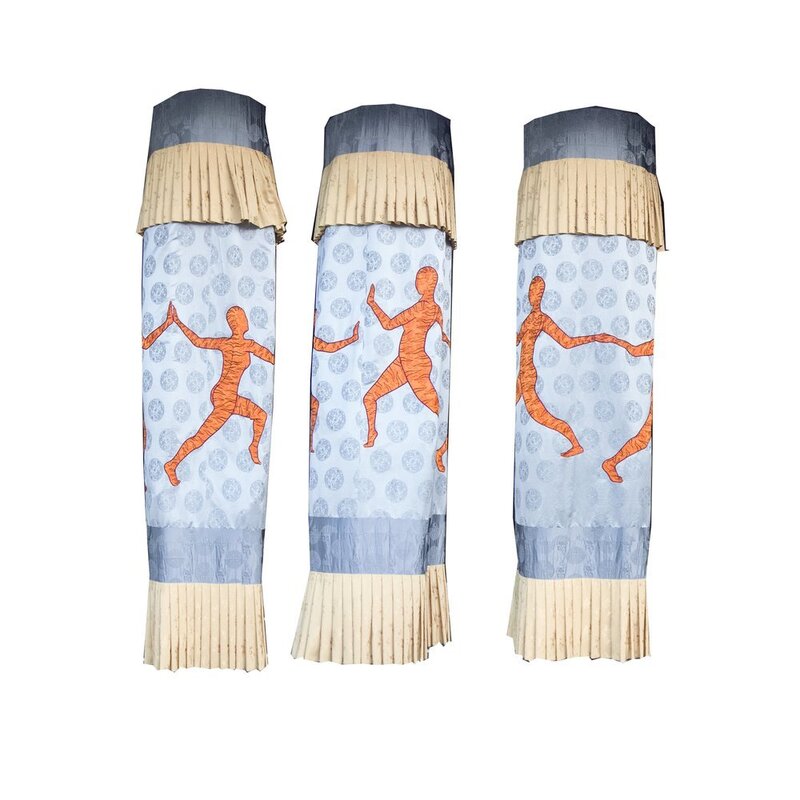
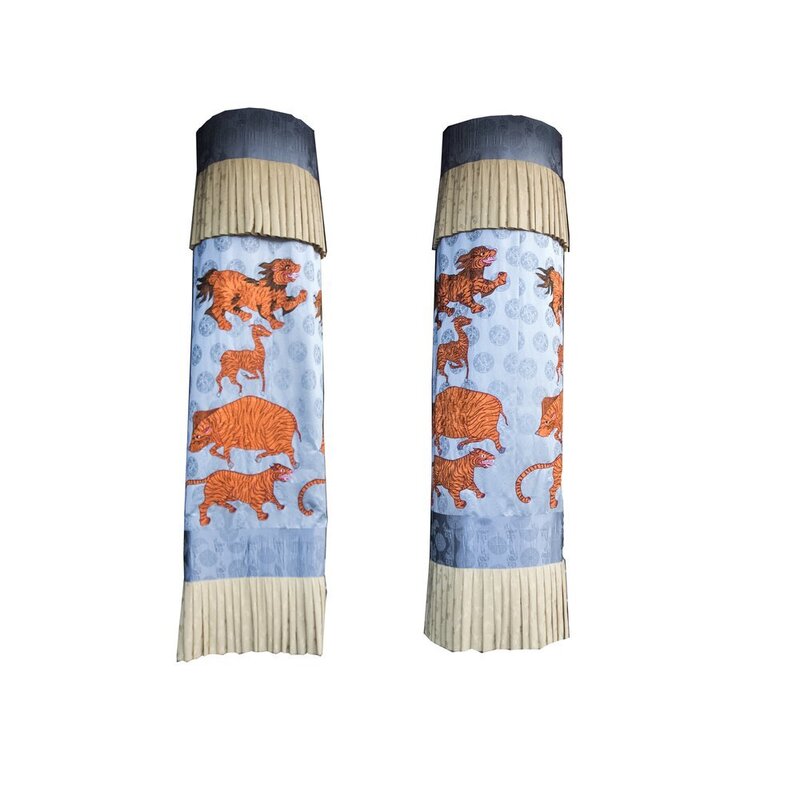
The textile sculptures present human and animal figures marked with tiger stripes, drawing from traditional Bhutanese forms. Through these collective figures, the works consider how identity is shaped not only by personal experience but also by the communities we belong to.
At the heart of Zimbiri’s Dear Tiger is a simple question: how do we become who we are? Through recurring images of animals, masks, puzzles, and collective forms, the exhibition reflects on the influences we inherit, the roles we adopt, and the stories we tell ourselves along the way.
Artist Statement
Dear Tiger is a body of work that explores identity, social structures, inherited beliefs and the many forces that shape who we become. The title is a play on the words deer and dear. While it references the recurring imagery of deer and tigers that appear throughout the exhibition, it also evokes the beginning of a letter—suggesting communication, reflection, and an ongoing dialogue with the self.
The exhibition brings together paintings and sculptures that examine the ways an individual could come to understand who they are. Rather than presenting identity as fixed or innate, the works consider it as something continually negotiated between internal experience and external influence.
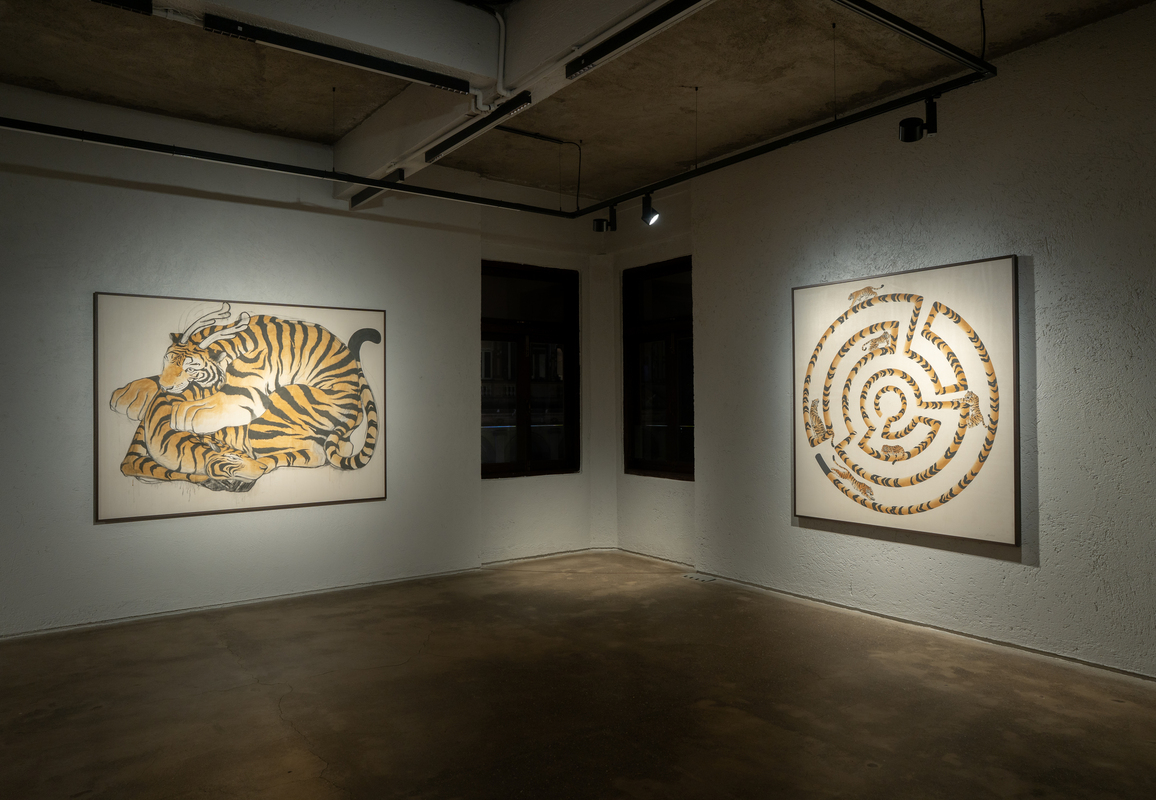
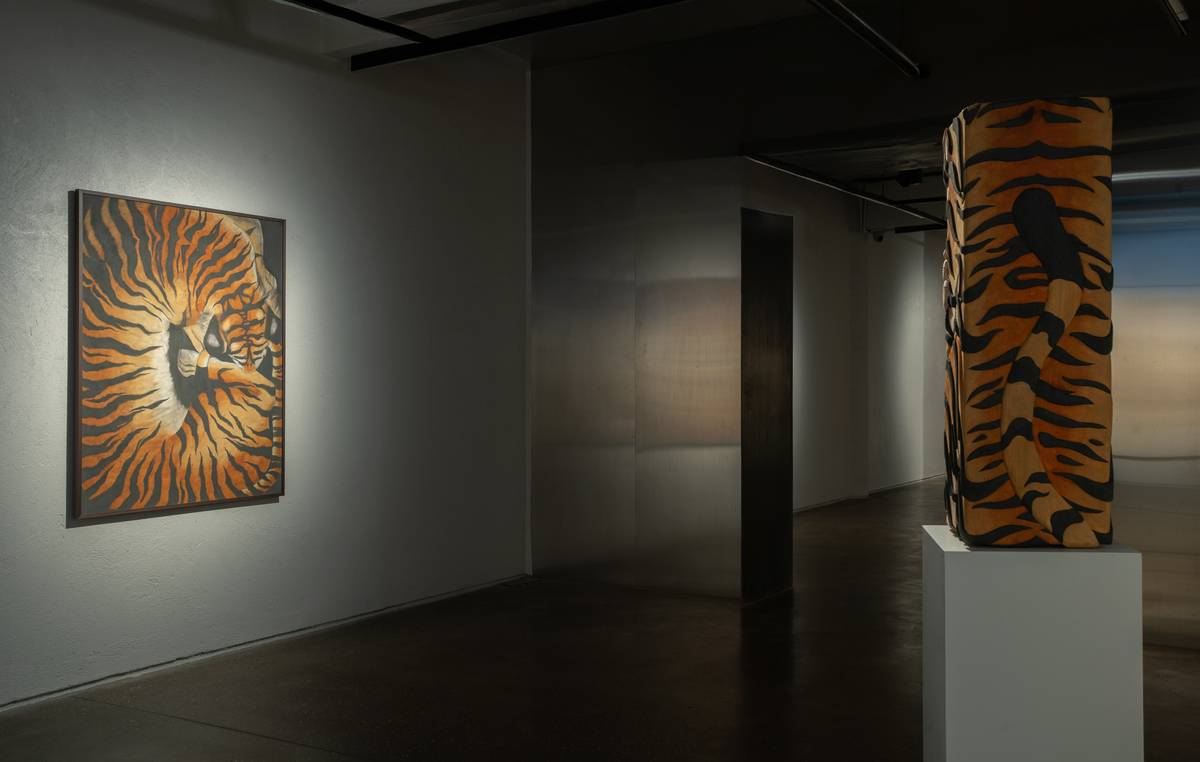
The mask paintings depiction deers and tigers wearing one another's masks. A Tiger cub appear alongside an adult deer, while deer wears a tiger mask in the company of an adult tiger. These pairings explore the influence of environment, upbringing, and community on the formation of identity. Families, cultures, and social groups shape the values, behaviors, and beliefs individuals inherit, often blurring the distinction between what is intrinsically one's own and what has been learned through observation and experience. Within these works, masks function not as disguises but as symbols of influence, belonging, and adaptation.
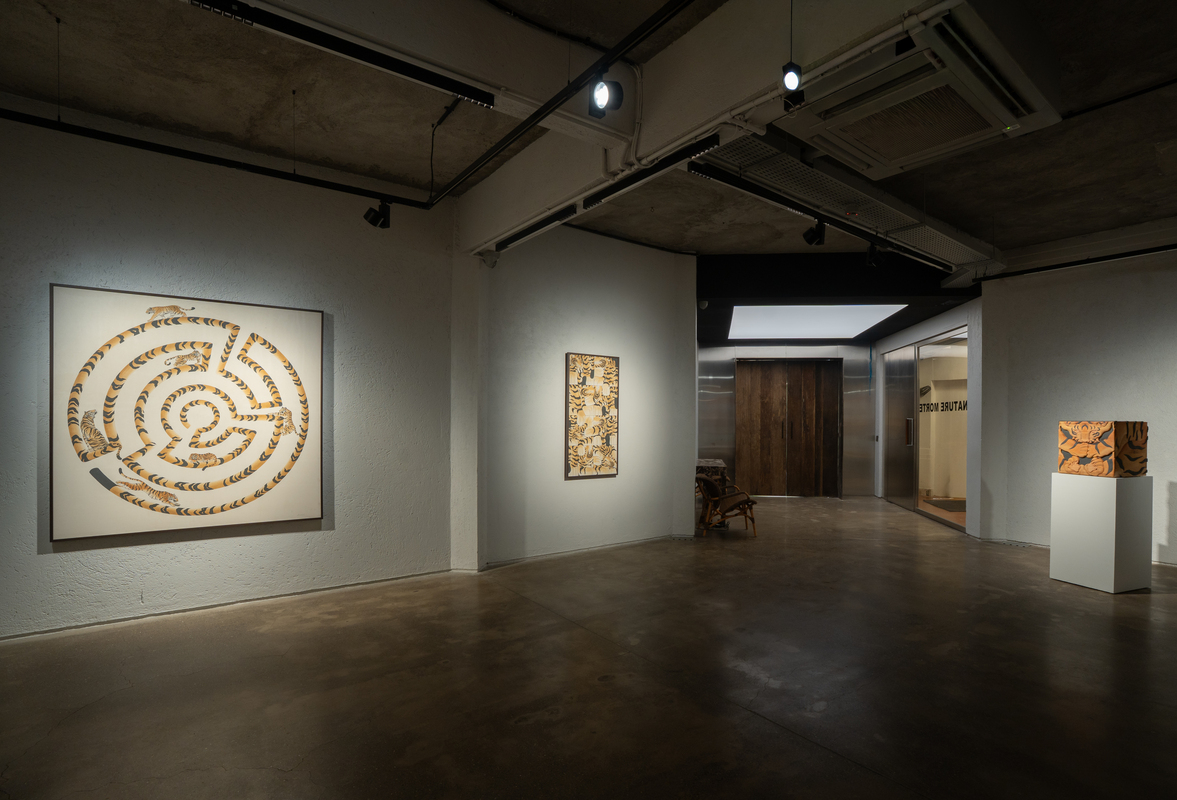
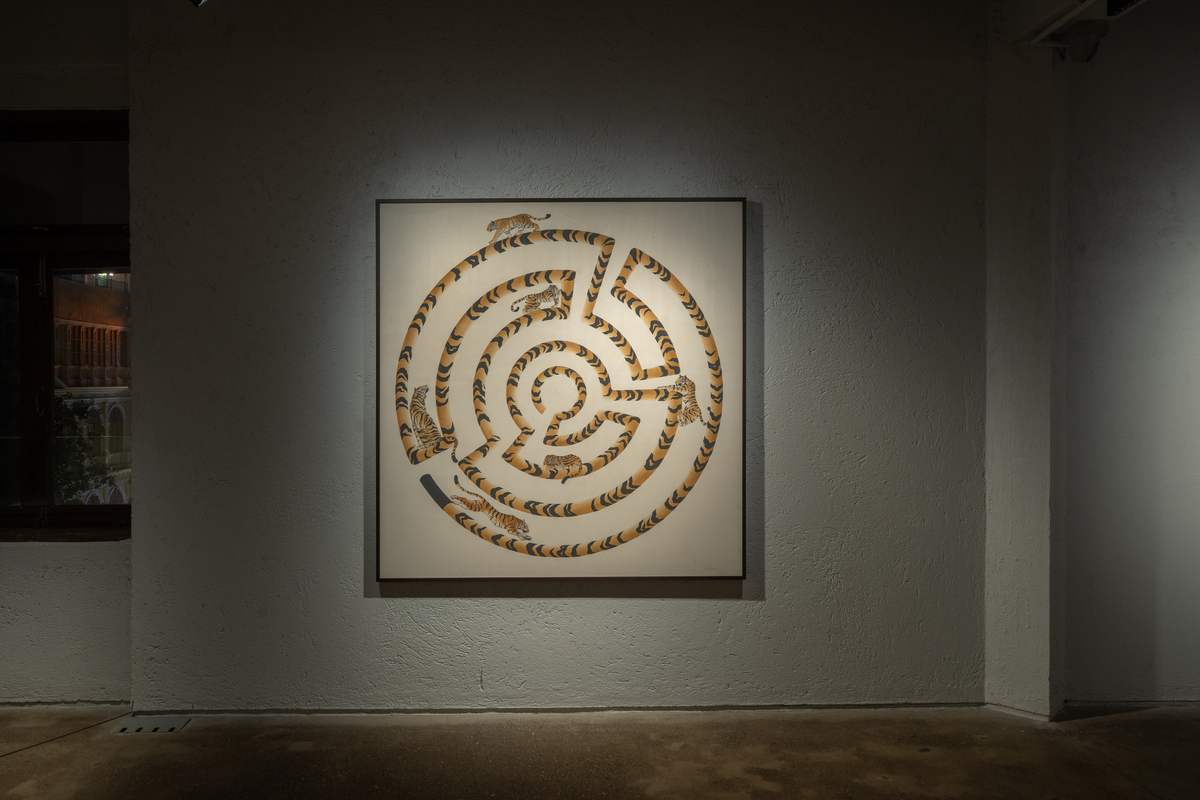
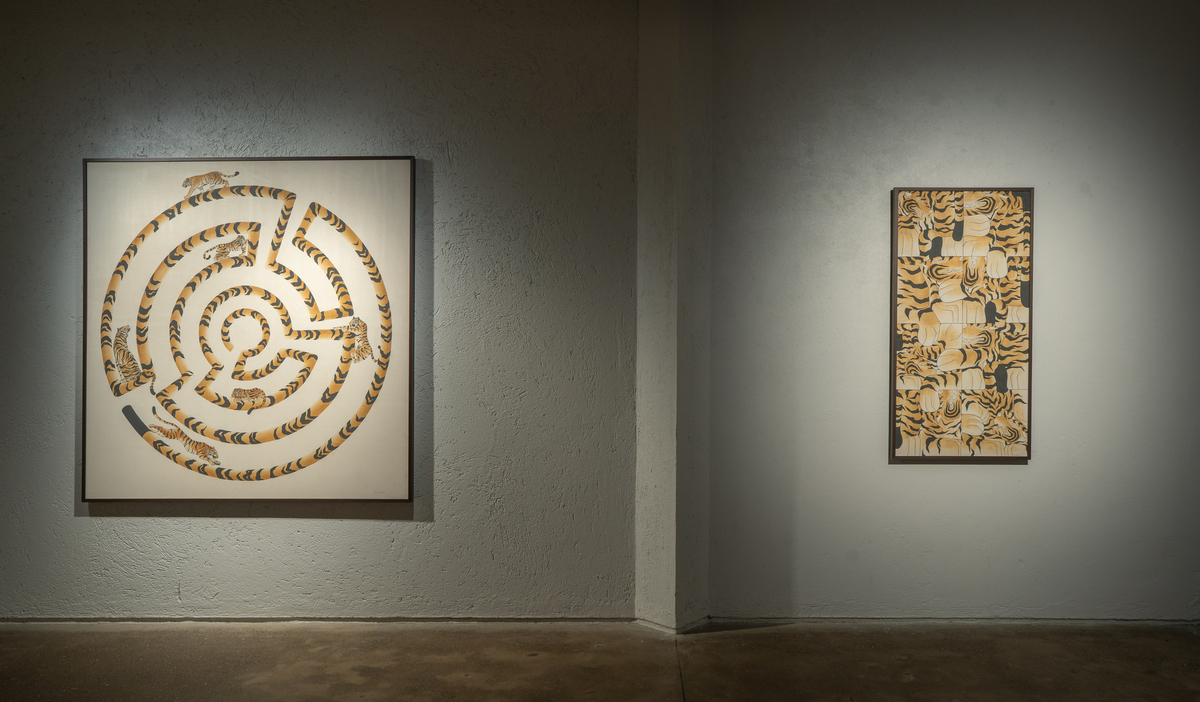
Other works within the exhibition turn attention toward the internal processes through which identity is constructed.The bubble pieces explore the inner worlds we create for ourselves—spaces of protection, introspection, contemplation, and sometimes isolation; examining the inner worlds individuals create to navigate experience. The Maze Tail works focus on internal narratives and self-perception, using the image of the tiger's tail as a maze to suggest how the “tales” individuals tell themselves can shape their understanding of reality.
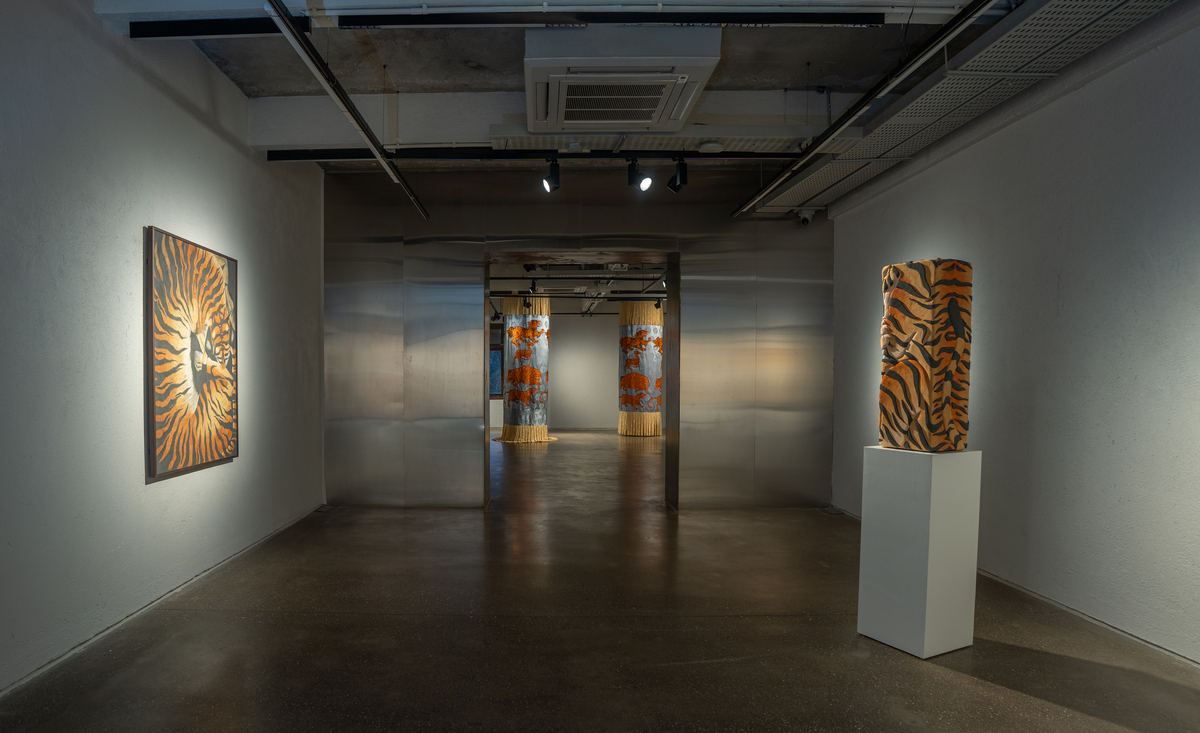
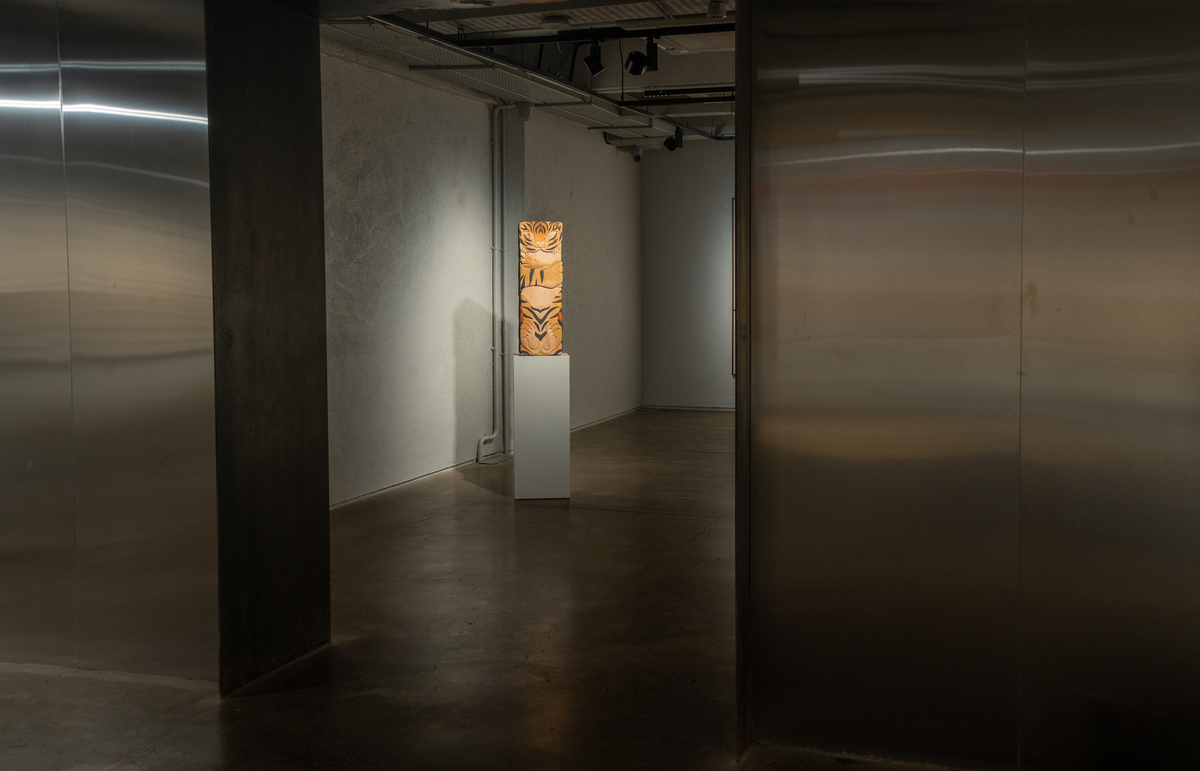
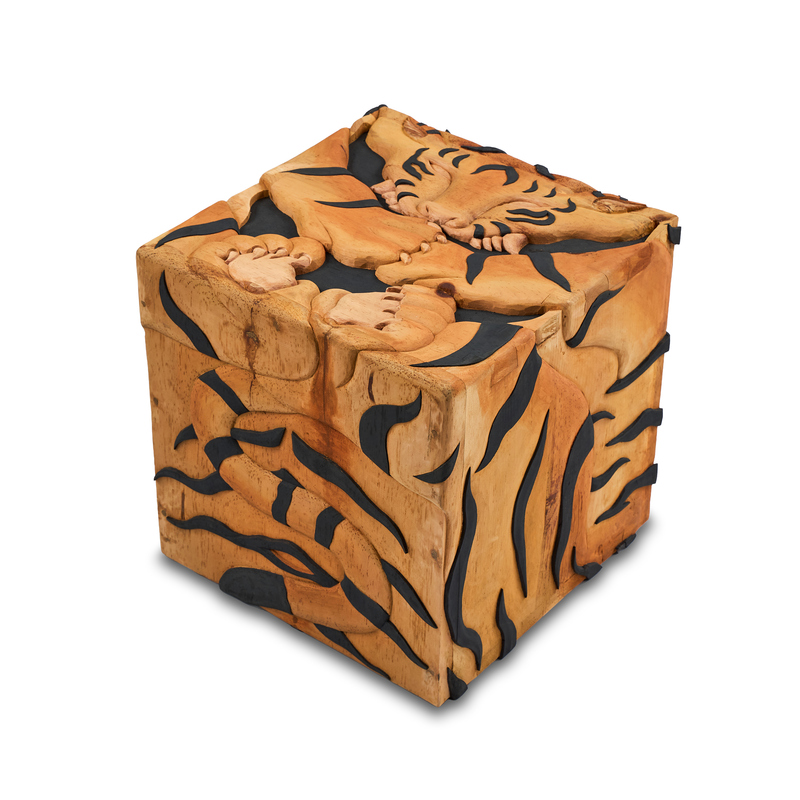
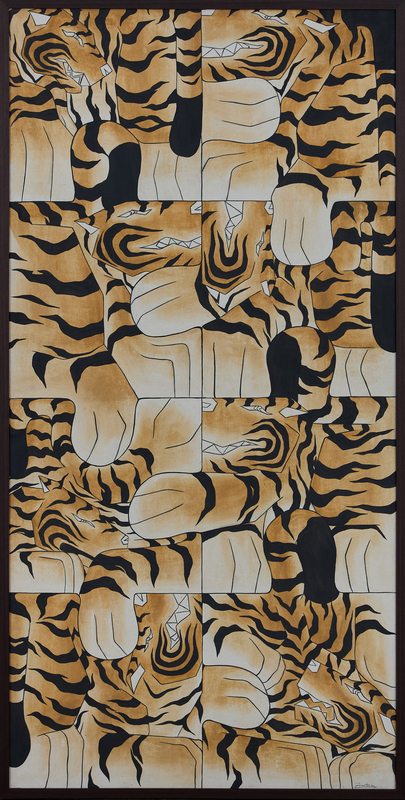
The Puzzle and Boxed works investigate the relationship between individual identity and collective structures. Like puzzle pieces, individuals often fit together to create something larger and meaningful. Families, communities, and societies function because people fulfil certain roles and expectations. Yet these same structures can also become limiting. The works question whether the spaces we occupy are ones we have consciously chosen or simply inherited, and whether stepping beyond them is an act of selfishness, courage, or self-discovery. The sculptural works extend these ideas beyond the canvas, bringing the metaphor of the box into physical space and into the viewer's world.
The Ghaytshe textile sculptures continue these questions through the lens of collective identity. Drawing from traditional Bhutanese forms, they depict animals and human figures marked with tiger stripes. The striped figures become symbols of collective aspiration, conformity, and shared ideals. They ask what happens when entire communities move toward a vision of success, beauty, or fulfillment that may have been inherited rather than chosen. Whether dancing, gathering, or transforming, the figures suggest the ways individuals are shaped not only by personal experiences but by the desires and narratives from broader cultural narratives.
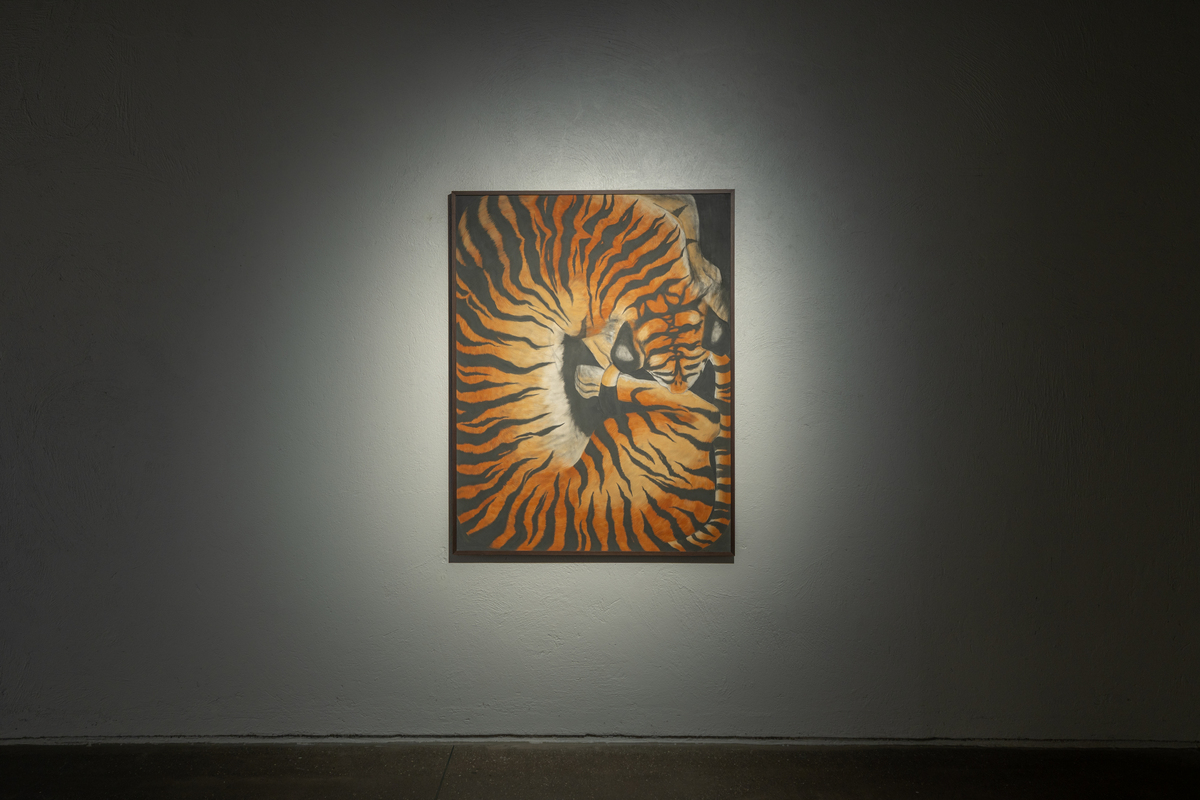
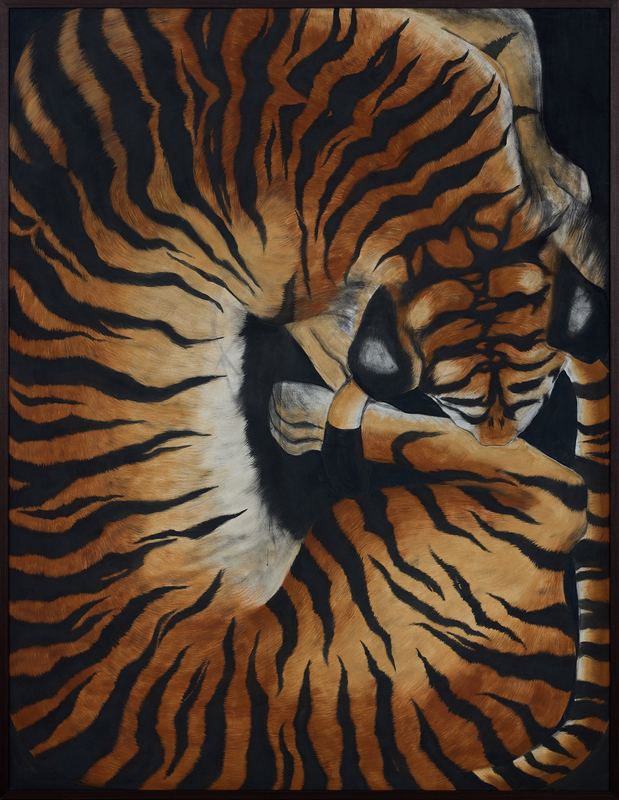
Throughout the exhibition, identity is presented not as something fixed, but as something continually negotiated. The tiger series as a recurring symbol through which questions of selfhood, perception, and transformation are explored. We are shaped by our upbringing, our relationships, our environments, our fears, our aspirations, and the stories we tell ourselves. Across paintings, sculptures, and textiles, the exhibition considers how identities are shaped by the environments we inhabit, the expectations we inherit, the stories we internalize. Some we embrace. Some we outgrow. Some we spend our lives questioning.
Rather than offering definitive conclusions, Dear Tiger invites reflection on the process of becoming. Like a letter that remains unfinished, the exhibition suggests that identity is never fully resolved, but is instead an exploration of the influences that shape us, the roles we inherit, the ideals we pursue, and the quiet conversations we have with ourselves along the way.
Artworks
Installation Views